
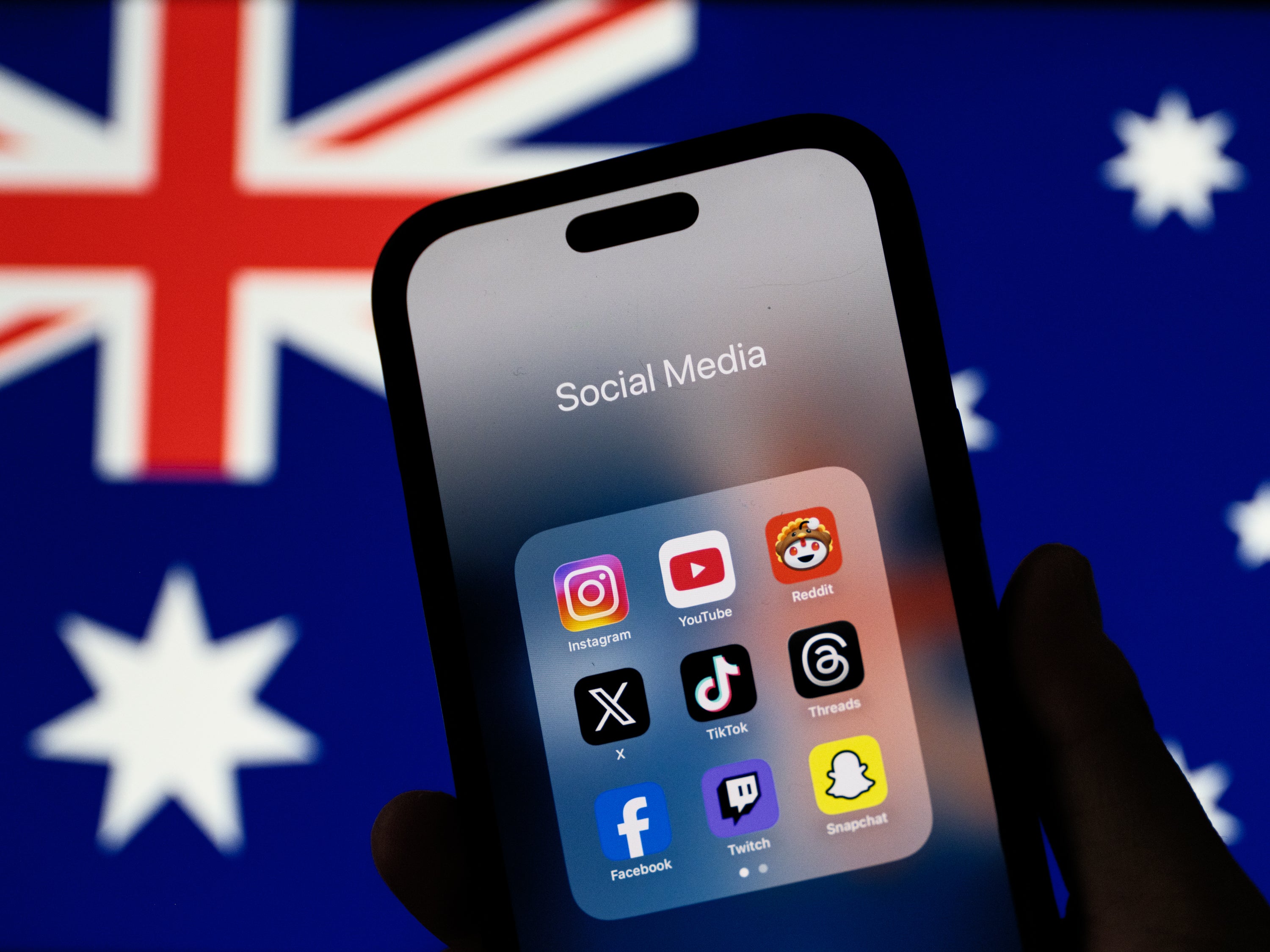
Australia is preparing to take another major step in its battle against the risks posed by Big Tech, with new legislation that could give users greater control over what appears on their social media feeds. Under the proposed rules, Australians may be allowed to switch off powerful recommendation algorithms that personalise content based on their interests and online behaviour.
Credits: The Independent
Australia Wants Users to Have a Choice
The proposed legislation, which is expected to be introduced in Parliament this week, would establish a new “digital duty of care” for major technology companies. Platforms such as Meta could be required to provide users with the option to disable algorithms that analyse their preferences and tailor their feeds accordingly.
Communications Minister Anika Wells said the government was not seeking to eliminate personalised algorithms altogether. Instead, the focus would be on ensuring that users have a meaningful choice over how their feeds are generated.
“A lot of Australians appreciate the algorithm,” Wells told national broadcaster ABC, pointing to the entertainment and convenience that personalised recommendations can provide.
However, she argued that technology companies should give users the ability to decide whether they want such systems operating in the background.
Why Social Media Algorithms Are Under Pressure
Recommendation algorithms have become the engine powering modern social media. They determine which posts, videos and accounts users are most likely to see, often based on previous interactions, viewing habits and interests.
While these systems can make platforms more enjoyable and relevant, critics argue that they can also encourage excessive use. Content that generates strong emotional reactions, including sensational, controversial or extreme material, can receive greater visibility because it keeps people engaged.
This has fuelled growing criticism of platforms including Instagram, Facebook and TikTok. Regulators and researchers have increasingly questioned whether technology companies are doing enough to prevent their recommendation systems from contributing to harmful online experiences.
Australia’s proposed digital duty of care could therefore represent a broader shift in how governments approach social media — moving beyond simply regulating individual pieces of content and towards examining the systems that determine what users are shown.
Australia Has Already Taken a Hard Line on Social Media
The new proposal follows Australia’s controversial decision to restrict social media access for children.
In December, Australia implemented legislation preventing children under 16 from using major social media platforms. The move was described as a world-first attempt to protect young people from online bullying, harmful content and potentially predatory recommendation systems.
The policy has attracted international attention, with countries including the UK and France considering or introducing their own measures aimed at protecting children online.
However, early data has suggested that some Australian teenagers are continuing to find ways around the restrictions. Data released last month indicated that under-16s were increasing their use of platforms such as Instagram and TikTok despite the ban.
That development highlights the difficulty governments face in enforcing digital regulations in an environment where young users can quickly move between platforms and find ways around restrictions.

Credits: Al Jazeera
A Bigger Battle Over Who Controls the Feed
Australia’s latest proposal could broaden the debate from protecting children to giving all users greater control over their digital experiences.
For years, personalised feeds have been presented as a core feature of social media. They help users discover creators, news, entertainment and products that match their interests. But the same technology can also create highly personalised digital environments where users repeatedly encounter content designed to maximise engagement.
Giving people the ability to turn these systems off could provide an alternative: a social media experience where users have greater control over what they encounter rather than relying entirely on automated recommendations.
For Big Tech, however, the legislation could create a significant new regulatory challenge. Recommendation algorithms are central to user engagement and, ultimately, advertising revenue.
Australia’s approach could therefore become an important test of whether governments can force technology companies to offer users more control without fundamentally changing how social media platforms operate.
If the legislation becomes law, Australia’s experiment could also influence regulators in other countries — potentially turning the ability to switch off personalised algorithms into a new standard for digital rights.