
Diwali is a demanding portrait environment. A single frame can contain warm diyas, cool fairy lights, a bright television and ordinary indoor lighting. When a phone misreads that mixture, skin may become too yellow, too blue or unnaturally smooth. Background lights can also confuse edge detection around hair, jewellery and embroidered clothing.
For buyers looking for a portrait camera phone with natural skin tones in India, OPPO Find X9 Ultra has a relevant combination of dedicated colour hardware, a large 3x portrait camera and Hasselblad portrait processing.
Why mixed lighting is different
A conventional image sensor has to capture the photograph and estimate the colour of the light at the same time. In a scene with several colour temperatures, the strongest lamp can influence the whole frame. A warm diya may make skin appear orange; a cool LED can push it towards blue.
Find X9 Ultra adds a New-Gen True Color Camera that reads colour information across 24 spectral channels. It is designed to help the imaging system recognise changes in ambient light across the phone’s focal lengths. The Hasselblad Natural Colour Solution and Hasselblad Nature Tonality then work on colour and the transition between highlight and shadow.
This does not mean every portrait will be perfect automatically. Makeup, reflective clothing, backlighting and different skin tones remain a serious test. The advantage is that OPPO has built a separate colour-measurement layer into the camera system rather than relying only on the main image sensor.
The 3x camera is the main portrait lens
The 200MP 3x Super Portrait Telephoto has an approximately 70mm focal length, a 1/1.28-inch sensor and an f/2.2 aperture. That focal length produces a more flattering facial perspective than holding a wide camera close to the subject. It also allows the photographer to keep some distance, which can help people look more relaxed.
The large sensor is important after sunset. It provides more light-gathering area than the 10x telephoto and is therefore the more practical choice for a single person or couple near decorative lights. For a larger family group, the 200MP main camera is easier to frame and has a brighter f/1.5 aperture.
The 10x camera can create strong background compression from farther away, but it needs more shooting distance and better light. It is a creative option for an outdoor portrait, not the default lens inside a living room.
Natural bokeh is more than a blurred background
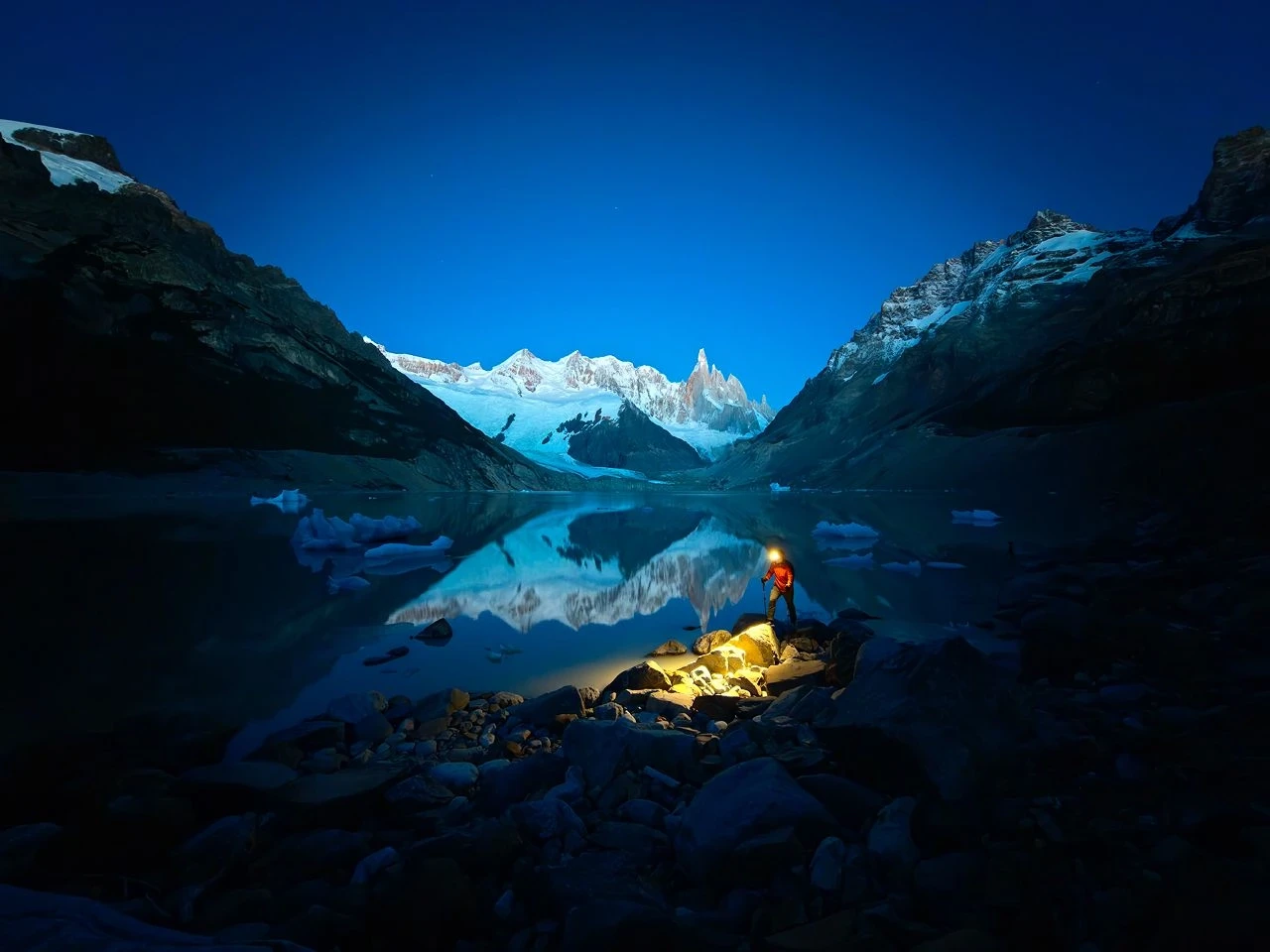
A convincing portrait needs three things: accurate subject edges, a gradual transition into blur and a background that still looks like part of the scene. A hard cut around hair or jewellery can make computational bokeh look artificial.
Hasselblad Portrait Mode is powered by the LUMO True Face Algorithm and is designed to render lifelike skin tone and natural bokeh from 1x to 10x. For a Diwali portrait, the most useful check is not how blurred the background becomes. It is whether individual hair, earrings, glasses and the flame of a diya remain believable at the edge of the subject.
Decorative lights also reveal whether blur highlights have a natural shape and whether bright points turn into distracting halos. A publisher evaluating the phone should show a full image and a close crop around the hair and shoulders rather than relying only on a small social-media preview.
Flash should preserve the atmosphere
Find X9 Ultra includes a full-focal portrait flash system and a LUMO Portrait Flash Algorithm. Flash can help when the subject is too dark, but too much light will remove the warm atmosphere that makes a festival portrait distinctive.
A practical approach is to expose for the decorative background first, keep the subject close enough for the selected portrait focal length and use flash only when the face needs additional light. The main camera is often the safest option for a group; the 3x camera is better for a single person when there is enough space.
Front-camera portraits
The 50MP front camera supports autofocus, Portrait mode and Hasselblad Hi-Res. Autofocus is useful for group selfies where people stand at slightly different distances. Mixed-light performance should still be compared with the rear camera, as the 3x telephoto has a much larger sensor and more natural portrait perspective.
Verdict
OPPO Find X9 Ultra is a strong portrait option for Indian festival photography because its camera system addresses the parts of mixed light that often go wrong: colour temperature, skin tone, tonal transitions and bokeh. The 200MP 3x telephoto is the key lens for individual portraits, while the main camera is better for groups and very low light. Its most credible claim is not simply “more blur”; it is a portrait system designed to keep skin and ambient colour believable in the same frame.
Sources
OPPO Find X9 Ultra official product page | OPPO Find X9 Ultra official specifications