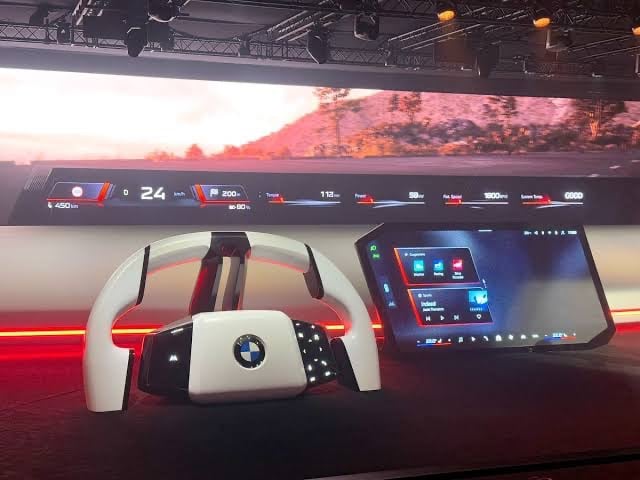
The automotive industry has spent the past decade transforming vehicles into connected digital platforms, offering everything from navigation updates and voice assistants to subscription-based services and over-the-air software upgrades. But BMW has recently found itself at the center of controversy after reports emerged that some of its vehicles are displaying promotional messages on their dashboard infotainment screens. While the German luxury automaker presents these notifications as helpful information and exclusive offers for customers, many drivers see them as little more than advertisements invading a space they already paid a premium to own.
The development has reignited a larger conversation about how much commercialization consumers are willing to accept inside their vehicles. For many, the dashboard is meant to provide essential driving information—not function as another advertising screen in an increasingly connected world.
BMW says the messages are designed to inform customers about services, software updates, accessories, maintenance packages, and other offerings related to vehicle ownership. According to the company, these notifications are intended to enhance the ownership experience by ensuring drivers remain aware of features and promotions that could benefit them.
However, the distinction between “informational messages” and advertisements has done little to calm criticism. Owners argue that regardless of how they are described, promotional content appearing on a vehicle’s infotainment display is still marketing. Many believe that customers who spend substantial amounts on a premium automobile should not be subjected to promotional messages once they are behind the wheel.
The backlash has been particularly strong because BMW has built its reputation on delivering a premium driving experience. Buyers often pay significantly more than they would for a mass-market vehicle, expecting superior engineering, comfort, and technology. Critics argue that introducing dashboard promotions undermines that premium image and makes the ownership experience feel increasingly commercialized.
The controversy also highlights the changing business model of modern automakers. Traditionally, manufacturers earned most of their revenue when a vehicle was sold. Today, however, companies are investing billions of dollars into software development, electric vehicle technology, connected services, and autonomous driving research. To recover those investments, many are looking beyond the initial purchase price and exploring recurring revenue streams.
Software subscriptions have become one of the industry’s preferred solutions. Several manufacturers now offer optional features through monthly or annual payments, allowing customers to unlock advanced navigation, driver assistance technologies, performance upgrades, or comfort features using software rather than hardware modifications.
BMW itself has experimented with subscription-based features in various markets, reflecting the industry’s broader move toward treating vehicles as digital platforms that continue generating revenue long after they leave the showroom.
Adding promotional messages to dashboard displays appears to be another extension of that strategy. Instead of simply selling a vehicle, manufacturers can continue engaging customers with digital services, upgrades, and additional purchases throughout the life of the car.
While this approach may make business sense, many consumers feel it shifts the balance too far in favor of manufacturers. Drivers argue that after spending thousands—or even tens of thousands—of dollars on a vehicle, they should not be exposed to marketing content every time they interact with its digital systems.
The issue has also sparked concerns about distraction. Although BMW indicates that promotional messages are designed to appear under controlled conditions, such as when the vehicle is stationary, safety advocates caution against adding unnecessary notifications to already complex infotainment systems.
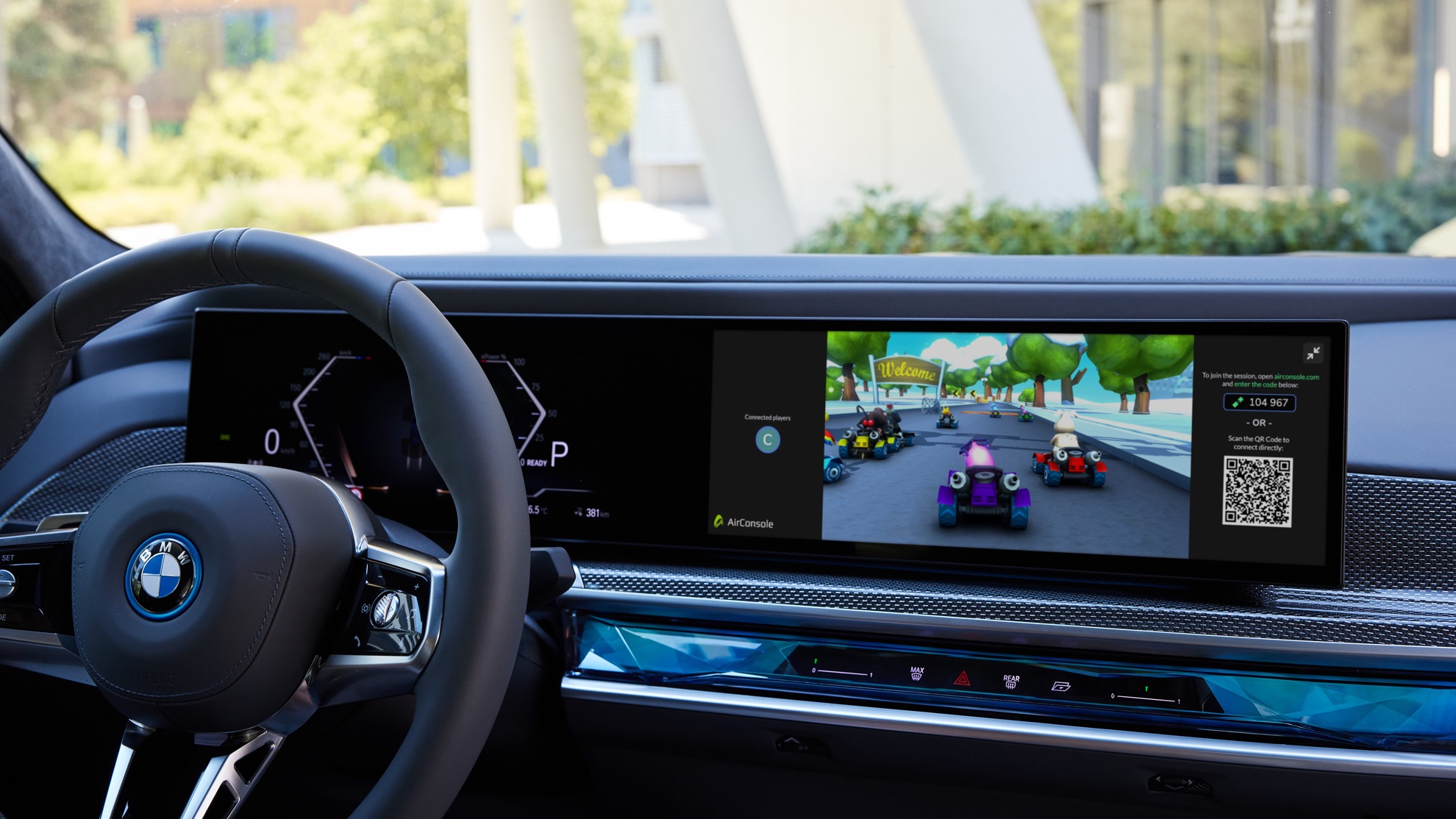
Modern vehicles rely heavily on touchscreen interfaces for climate controls, navigation, media, communication, and vehicle settings. Human factors researchers have repeatedly emphasized the importance of minimizing unnecessary visual distractions, particularly as digital displays continue replacing traditional physical buttons.
Even if advertisements are brief or only appear while parked, critics argue that the trend normalizes commercial content in areas traditionally reserved for driving functions. Some worry that if consumers accept limited advertising today, manufacturers may gradually introduce more frequent or personalized promotions in the future.
Privacy has emerged as another point of discussion. Connected vehicles collect significant amounts of information, including software usage, maintenance records, navigation preferences, charging behavior in electric vehicles, and other operational data. While manufacturers generally state that customer information is managed in accordance with privacy regulations and consent agreements, some drivers remain concerned about how this data could eventually influence personalized marketing inside the vehicle.
The debate extends beyond BMW. Across the automotive industry, manufacturers are experimenting with digital ecosystems that include online stores, downloadable software, premium subscriptions, and connected services. As vehicles become more software-driven, companies are increasingly viewing them as platforms capable of delivering ongoing products and services rather than one-time purchases.
Some consumers appreciate these innovations, particularly when software updates introduce new functionality or improve existing features without requiring a visit to a dealership. Others welcome maintenance reminders, diagnostic alerts, and digital service scheduling through connected vehicle platforms.
The challenge lies in distinguishing between genuinely useful information and promotional content. While service reminders may help owners maintain their vehicles, advertisements encouraging additional purchases can feel intrusive, especially in an environment where drivers expect convenience rather than sales pitches.
Consumer advocates have suggested that manufacturers should provide clear options allowing owners to disable promotional messages entirely. Such controls could help preserve customer choice while enabling companies to continue offering digital services to those who find them valuable.
Ultimately, BMW’s dashboard advertisements represent more than a single feature—they symbolize the evolving relationship between automakers and customers in the digital age. As cars increasingly resemble smartphones on wheels, questions about ownership, privacy, software monetization, and advertising are becoming central to the future of the automotive industry.
Whether dashboard promotions become a widely accepted feature or remain a controversial experiment will depend largely on consumer response. For now, many drivers believe that while software updates and connected services can enhance the ownership experience, advertisements have no place on the dashboard of a vehicle they already purchased. The debate serves as a reminder that as technology reshapes the automobile, maintaining trust and respecting customer expectations may prove just as important as introducing the next digital innovation.