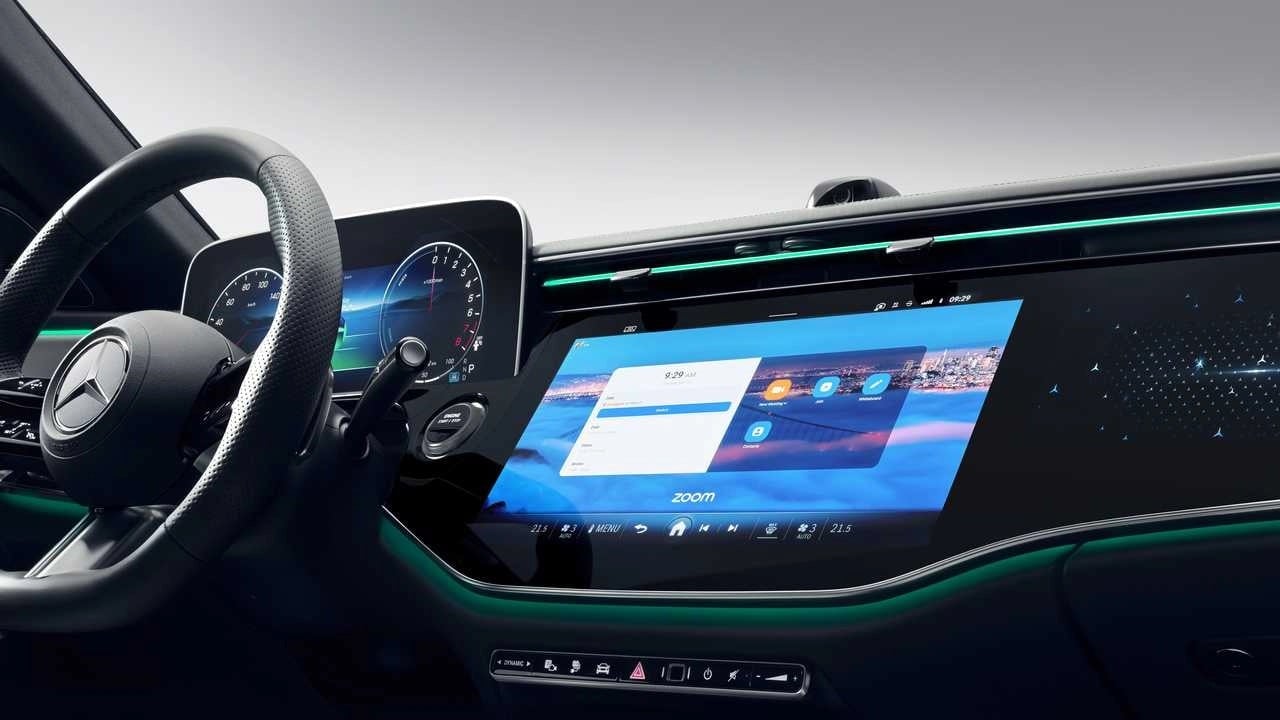
China’s automotive industry is preparing for a significant shift in interior design as new regulations seek to ensure that essential vehicle functions remain accessible through physical controls. The move comes amid growing concerns about driver distraction, touchscreen reliability and the safety of relying on digital interfaces for everyday driving operations.
For years, automakers have embraced large infotainment displays and minimalist dashboards. Touchscreens have replaced traditional buttons for functions ranging from air conditioning and windshield wipers to gear selection and hazard lights. While the approach has helped manufacturers create sleek, software-driven interiors, it has also raised questions about whether convenience and aesthetics are taking priority over usability.
The latest regulatory direction from China signals that the country wants automakers to reconsider that balance.
Physical Controls Return to the Dashboard
China’s Ministry of Industry and Information Technology has introduced requirements aimed at ensuring that newly manufactured vehicles retain physical controls for essential functions. The measures are expected to influence how manufacturers design dashboards, steering wheels and center consoles.
Functions covered by the requirements include turn signals, hazard warning lights, horns, gear selection and windshield wipers. Windshield defogging and defrosting systems, power windows and emergency calling functions are also among the controls receiving attention.
Electric vehicles will additionally be required to feature a dedicated physical power-off switch under the proposed framework.

The objective is straightforward: drivers should be able to access critical functions quickly without having to navigate through multiple touchscreen menus. Physical buttons and switches provide a familiar method of operation, particularly when drivers need to respond to changing road conditions.
The requirements also address the accessibility and usability of controls, including considerations such as their size, placement and feedback during operation.
The Problem With Touchscreen-Heavy Interiors
Touchscreens have transformed the modern car cabin. A single display can manage navigation, music, climate settings, vehicle information and numerous other features. Automakers benefit from reduced physical components, flexible software integration and the ability to introduce new functions through updates.
However, the technology has limitations.
Operating a touchscreen often requires visual attention. A driver may need to look down, locate a particular icon or move through several menus before completing a simple task. This can become especially problematic when operating windshield wipers, adjusting climate settings or activating hazard lights while driving.
Physical controls, on the other hand, can often be located and operated by touch alone. Drivers become familiar with the position of a button or knob, allowing them to perform routine actions without diverting their attention from the road for as long.
The issue becomes even more relevant in emergencies, when a driver may need to react quickly. A dedicated button can be easier to identify and operate than a digital interface that changes depending on software design.
Tesla’s Influence on the Industry
The shift in China challenges an interior philosophy closely associated with Tesla and subsequently adopted by several other electric vehicle manufacturers.
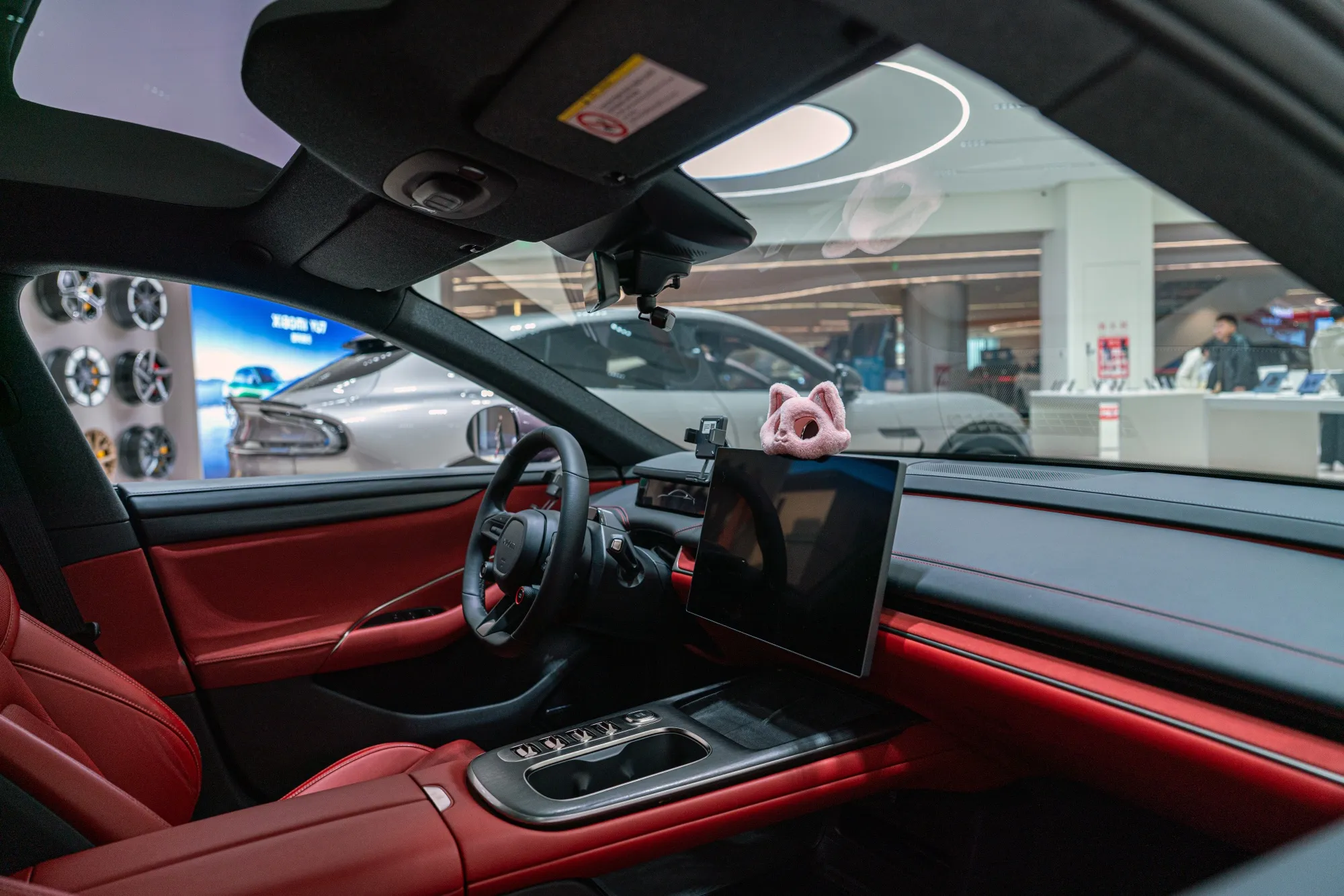
Tesla has helped popularize minimalist dashboards dominated by large central displays. In some models, functions traditionally controlled by physical switches have been integrated into touchscreen interfaces or redesigned around digital controls.
Chinese EV manufacturers have also embraced large screens as a central part of their product identity. Companies competing in the country’s highly competitive electric vehicle market have used advanced infotainment systems, digital dashboards and software-based features to distinguish their products.
The new regulatory requirements could force manufacturers to reconsider some of these design choices. Companies may need to redesign existing interiors, introduce additional physical switches and ensure that software-dependent functions have reliable alternatives.
The changes could also increase development and manufacturing costs, particularly for manufacturers that have invested heavily in touchscreen-centered cabin architectures.
China’s EV Industry Faces a New Challenge
China is one of the world’s largest electric vehicle markets, with intense competition among established automakers and technology-focused startups. Interior design has become an important part of that competition.
Many manufacturers have sought to create vehicle cabins that resemble digital living spaces, featuring large screens, voice assistants and connected services. These technologies are expected to remain important, but the new requirements could encourage a more balanced approach.
Rather than eliminating digital displays, automakers may increasingly combine them with physical controls for functions that drivers use frequently or need to access immediately.
This could result in dashboards featuring large infotainment screens alongside conventional knobs, switches and buttons. Such a design would preserve the flexibility of software while improving access to essential functions.
Implications Beyond China
China’s regulatory approach could influence automotive design in other markets. Chinese electric vehicle manufacturers are expanding internationally, and many develop platforms intended for use across multiple countries.
If physical controls become a standard feature across their global vehicle lineups, the impact could extend beyond China’s domestic market. Other automakers may also reassess their own touchscreen strategies in response to consumer preferences and evolving safety expectations.
The development could encourage a broader industry discussion about human-centered design. A technologically advanced vehicle is not necessarily the one with the fewest buttons or the largest display. Instead, the quality of its interface may depend on how effectively it allows drivers to perform tasks safely and intuitively.
A New Balance Between Technology and Safety
The return of physical controls does not mean China is abandoning digital innovation. Touchscreens will continue to support navigation, entertainment, connectivity and other advanced features.
The regulatory shift instead emphasizes that certain functions should remain accessible through dedicated controls. It reflects an understanding that digital convenience and physical usability can coexist within the same vehicle.
For automakers, the challenge will be to develop interiors that combine modern technology with practical operation. For drivers, the changes could mean easier access to essential functions and less dependence on complex menus.
As China’s automotive regulations move toward implementation for newly manufactured vehicles from July 1, 2027, the country’s approach could help reshape the future of car interiors. The next generation of vehicles may be defined not by the complete disappearance of buttons, but by a more thoughtful combination of screens, switches and controls that put safety and usability at the center of design.