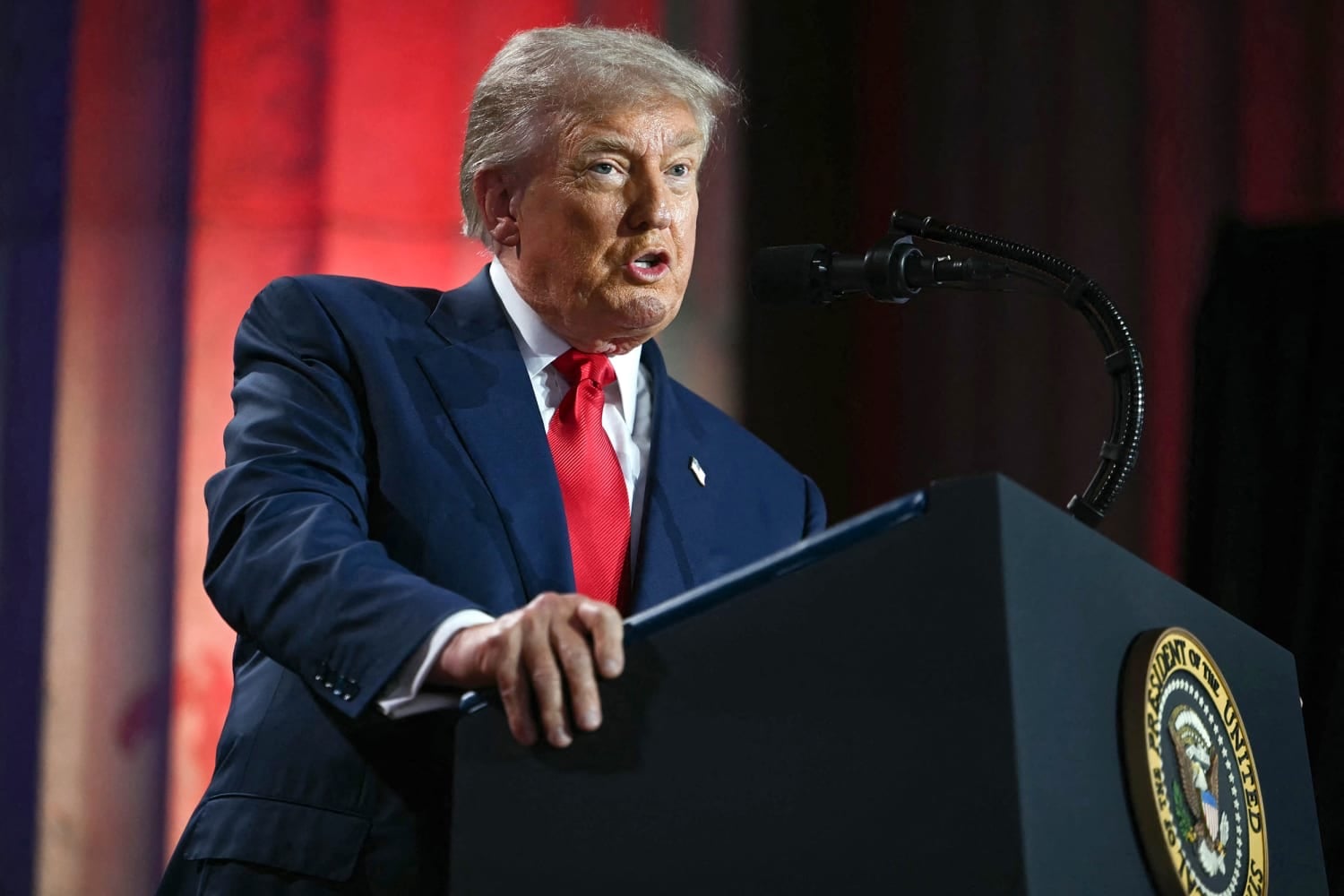
U.S. President Donald Trump has rejected calls from technology executives and industry leaders to slow down the development of artificial intelligence, reinforcing his administration’s support for rapid innovation and technological competition. The disagreement comes as AI companies race to develop increasingly powerful systems while policymakers, researchers, and the public debate the risks associated with their advancement.
The issue has become one of the most significant policy debates surrounding the technology industry. While supporters of an AI slowdown argue that companies need more time to address safety concerns, Trump’s position reflects a preference for maintaining momentum and ensuring that the United States remains a global leader in artificial intelligence.
Trump’s Position on AI Development
Trump has consistently emphasized the importance of technological leadership, economic growth, and reducing barriers to innovation. His rejection of calls for an AI slowdown signals that his administration is not inclined to support broad restrictions that could delay the development or deployment of advanced AI systems.
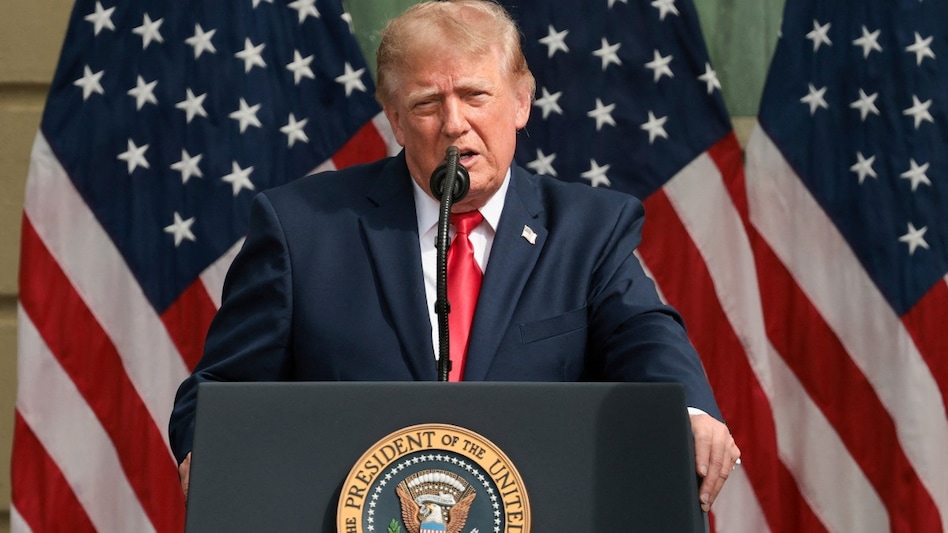
The president’s stance comes at a time when artificial intelligence has become a strategic priority for governments and technology companies worldwide. The United States and China are competing to establish leadership in AI research, infrastructure, and commercial applications.
Supporters of Trump’s approach believe that slowing development could weaken American competitiveness. They argue that companies should be encouraged to invest in research, expand computing infrastructure, and create new AI products without facing unnecessary regulatory obstacles.
For the administration, the AI race is not simply a matter of commercial success. It is also connected to national security, scientific progress, and the future of the American economy.
Why Technology Leaders Want a Slowdown
Despite the potential benefits of AI, some technology executives and researchers have raised concerns about the speed of development. Their calls for caution are driven by worries that increasingly capable systems could create risks that existing safety measures may not adequately address.
One concern involves the possibility of AI systems being deployed before companies fully understand their behavior. Advanced models can produce inaccurate information, make unexpected decisions, or be misused for harmful purposes. As their capabilities expand, the consequences of these problems could become more significant.
Critics also point to cybersecurity threats, privacy violations, misinformation, and the disruption of traditional employment. AI tools are already changing how businesses create content, analyze information, develop software, and interact with customers. More advanced systems could accelerate these changes across a wider range of industries.
Those advocating a slowdown generally argue that companies should dedicate more time to testing, evaluation, and the development of safeguards. Their position is not necessarily opposed to AI innovation but emphasizes that technological progress should be accompanied by responsible oversight.
The Economic Importance of Artificial Intelligence
Artificial intelligence has emerged as a major source of investment and competition in the global technology sector. Leading companies are spending billions of dollars on data centers, specialized chips, research laboratories, and AI-powered products.
Businesses see opportunities to use AI to improve productivity, automate repetitive tasks, reduce operating costs, and develop new services. Industries such as healthcare, finance, manufacturing, education, and transportation are exploring ways to integrate the technology into their operations.
The potential economic impact is one reason governments are reluctant to discourage AI development. A significant slowdown could affect investment, research employment, and the launch of products that might contribute to economic growth.
Trump’s rejection of calls for a pause or slowdown reflects the belief that the United States should capitalize on these opportunities. By supporting rapid development, the administration aims to encourage companies to build AI capabilities domestically and strengthen the country’s position in the international technology race.
&imwidth=800&imheight=600&format=webp&quality=medium)
Balancing Innovation and Safety
The disagreement between Trump and technology leaders highlights a difficult policy challenge: how to encourage innovation while protecting the public from potential harm.
AI regulation can take several forms, including safety testing requirements, transparency rules, privacy protections, and accountability standards. However, policymakers continue to debate how strict these measures should be and whether they might unintentionally restrict beneficial research.
Technology companies also face pressure to demonstrate that their products are reliable and safe. Developing effective safeguards is particularly challenging when AI systems are used in sensitive areas such as healthcare, finance, education, and public administration.
Supporters of stronger oversight argue that the consequences of serious AI failures could extend beyond individual users or businesses. They believe that government and industry must cooperate to establish clear safety expectations before more advanced systems become widely available.
Those who oppose a broad slowdown counter that excessive regulation could reduce competition, discourage investment, and give foreign rivals an advantage. They argue that targeted safeguards may be more effective than delaying technological progress across the entire sector.
The Global AI Competition
The United States is competing with China and other countries to lead the next phase of artificial intelligence. This competition includes the development of advanced models, access to computing resources, semiconductor production, and the ability to attract highly skilled researchers.
AI leadership could influence economic productivity, defense capabilities, scientific research, and international influence. As a result, decisions about the pace of development have consequences beyond Silicon Valley.
Trump’s position suggests that maintaining technological momentum will remain a priority for his administration. The government’s approach is likely to continue focusing on investment, infrastructure, and policies intended to strengthen the American AI industry.
However, international competition also raises questions about whether countries might prioritize speed over safety in an effort to outpace one another. Experts have warned that a race to develop increasingly powerful systems could make cooperation on safety standards more difficult.
What Comes Next
Trump’s rejection of calls for an AI slowdown is likely to keep the debate over artificial intelligence at the center of technology and public policy discussions. As companies continue investing in advanced systems, pressure will remain on governments to determine how innovation should be regulated.
The coming years could see further disagreements between industry leaders, policymakers, and researchers over the appropriate balance between development and precaution. Companies will face the challenge of demonstrating that their AI products can deliver economic value while addressing concerns about safety, privacy, and accountability.
For now, Trump’s position represents a clear preference for continued AI advancement rather than a broad pause in development. The decision underscores the growing importance of artificial intelligence to economic competitiveness and national strategy, even as questions about its long-term impact remain unresolved.