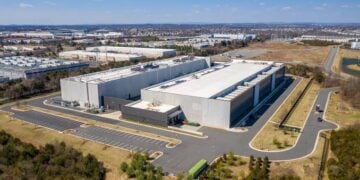
Ford’s big bet on electric cars in Europe is hitting a reality check. The company said it will cut around 1,000 jobs at its Cologne plant by January 2026, scaling production back to a single shift after demand for its EVs came in weaker than expected.
A Plant Built for the Future, Now Slowing Down
The Cologne facility was meant to be Ford’s showcase for its European EV ambitions. With billions invested and the launch of the all-electric Explorer SUV, it symbolized the company’s push into a new era. But less than two years in, Ford is tapping the brakes.
“In Europe, demand for electric cars remains well below industry forecasts,” the company admitted in its statement. That shortfall means fewer cars rolling off the line, and fewer hands needed to build them.
People Behind the Numbers
For the workers in Cologne, this isn’t just a shift on a balance sheet. It’s jobs, families, and communities tied to an industry in transition. Ford has promised voluntary redundancy packages to soften the impact, but uncertainty lingers. Many of the employees were trained specifically for EV production, believing they were stepping into secure roles at the heart of the company’s future.
The announcement also follows another blow: Ford’s decision to shut down its Saarlouis plant, putting thousands more jobs at risk across Germany.
Europe’s EV Puzzle
The irony is that Europe is still leading much of the world in electric car adoption. Sales of plug-in vehicles are up 31% this year, with more than 2.6 million units sold. But growth on paper doesn’t always match what factories can sustain.
Consumers are still hesitant. High upfront prices, patchy charging networks, and doubts about battery life make many buyers stick with combustion engines or hybrids for now. Meanwhile, cheaper Chinese EVs are starting to flood the market, adding more pressure on legacy brands like Ford.
A Balancing Act for Ford
Ford’s situation in Germany shows how messy the shift to electric really is. Automakers have to invest billions into new models and technology, yet can’t escape the risk of overshooting demand. The Cologne plant was designed to be Ford’s EV hub in Europe, but the slowdown shows just how unpredictable the market remains.
At the same time, workers are left waiting, weighing whether to stay, leave, or retrain. For a city like Cologne, where Ford has been an anchor employer for decades, the changes ripple far beyond the factory walls.
Looking Ahead
Ford insists it’s not backing away from electrification. EU rules will ban sales of new petrol and diesel cars by 2035, so the company still needs EVs to succeed. For now, though, it’s a cautious step back rather than a full-speed push forward.
The 1,000 jobs being cut may look like a statistic in a press release. But in Cologne, it marks the moment when the grand promises of the EV revolution collide with the slower, more complicated reality on the ground.