India’s smartphone market in 2025 reflected a significant structural shift, as premium devices drove growth despite modest overall shipment expansion. According to Counterpoint Research, while smartphone shipments grew by just 1 percent year-on-year, market value surged by 8 percent, highlighting India’s accelerating preference for higher-end devices. The year showcased evolving consumer behaviour, changing brand strategies, and rising financing adoption, all pointing toward a stronger premiumisation trend.

Credits: Business Line
A Year of Fluctuating Momentum
The Indian smartphone industry began 2025 on a slow note, largely due to elevated inventory levels and fewer product launches during the initial months. However, the market regained traction in the second quarter as brands introduced new models, rolled out aggressive promotional campaigns, and capitalised on festive-season demand.
The third quarter emerged as a record period in terms of market value, driven by festival-led channel stocking and strong consumer demand. However, momentum slowed again in the fourth quarter as brands shifted focus toward clearing excess inventory accumulated during festive sales. Additionally, rising component costs, particularly memory prices, further impacted pricing flexibility and consumer demand toward the year’s end.
Vivo Leads the Market Race
Among smartphone brands, Vivo (excluding iQOO) emerged as the market leader, securing a 20 percent volume share. The company’s success was driven by its balanced strategy across both mass-market and premium segments.
While the Y and T series played a key role in maintaining strong shipment volumes, Vivo’s premium X series delivered exceptional growth, recording a 185 percent year-on-year surge. The performance was largely attributed to Vivo’s partnership with ZEISS and the launch of its X200 FE, which strengthened the brand’s premium positioning in India.
Samsung followed closely in the second position, supported by robust demand across its A, M, and F series in the mid-range segment. Meanwhile, Samsung’s flagship Galaxy S lineup achieved its highest-ever share within the company’s overall shipments, reflecting strong consumer interest in premium devices.
OPPO (excluding OnePlus) secured the third spot, driven largely by consistent demand for its A and K series smartphones.
Apple Emerges as the Premium Growth Champion
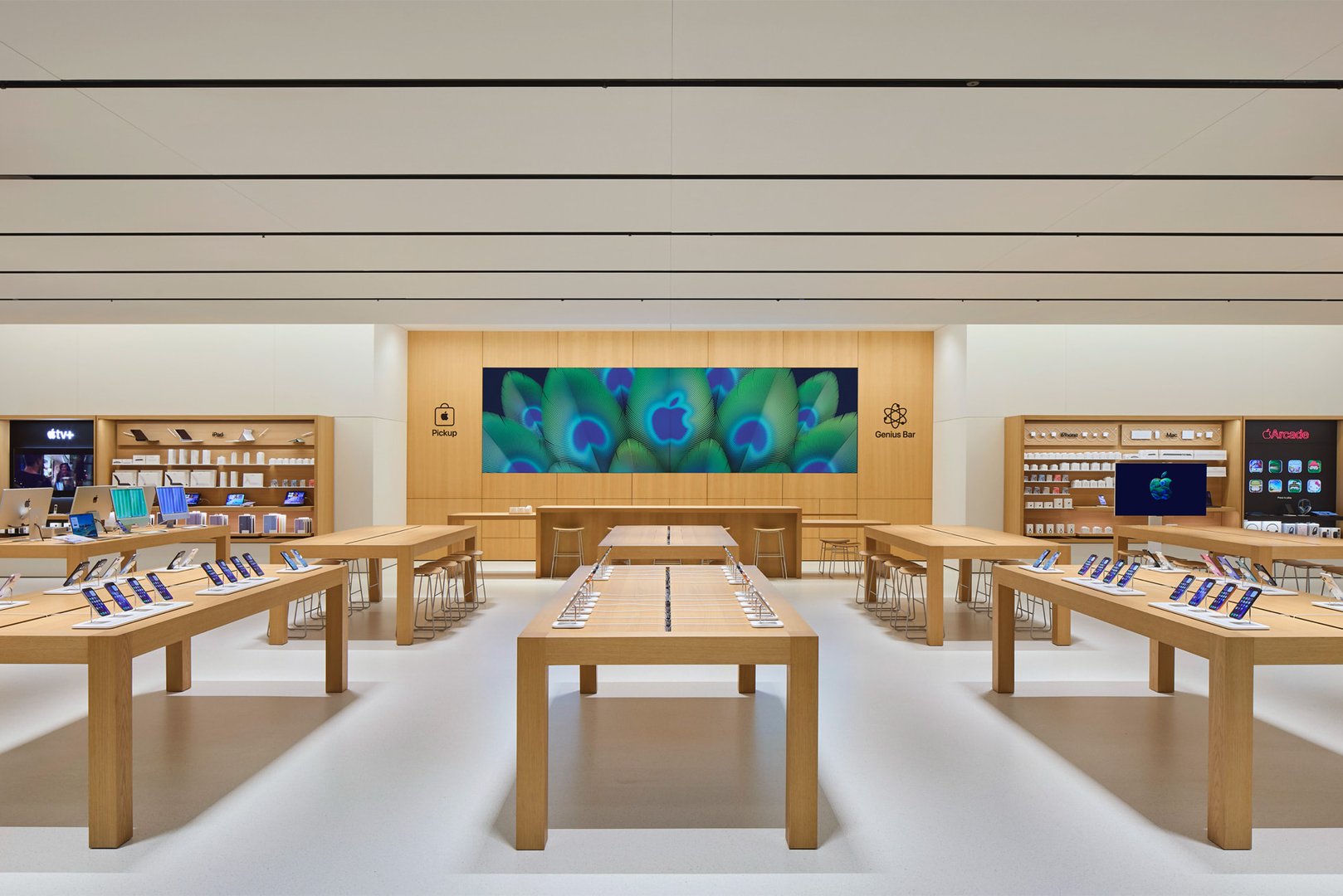
Apple delivered one of the most remarkable performances in India’s smartphone market in 2025. The company recorded an impressive 28 percent year-on-year shipment growth, significantly outperforming the overall market’s modest expansion.
The iPhone 16 emerged as the top-shipped smartphone model in India during the year, marking a historic milestone for Apple in the country. The company also achieved its highest-ever annual value share in India, highlighting its growing dominance in the premium segment.
Apple’s success was fuelled by improved channel execution, deeper expansion into smaller cities, and increased presence through premium reseller outlets and multi-brand retail stores. Strategic festive promotions and strong channel stocking further boosted Apple’s sales, especially during the high-demand third quarter.
Financing and Premiumisation Drive Consumer Behaviour
The premium smartphone segment, defined as devices priced above Rs 30,000, witnessed 11 percent year-on-year growth and accounted for a record 22 percent of total shipments. A major contributor to this surge was the growing adoption of financing options.
Nearly two-thirds of premium smartphone purchases were financed, while overall smartphone financing penetration reached 40 percent in 2025. This trend allowed consumers to access high-end devices more easily, benefiting brands with higher average selling price portfolios, especially Apple.
Chipset and Brand Performance Snapshot
On the chipset front, MediaTek dominated with a 47 percent shipment share, followed by Qualcomm at 29 percent. Among emerging brands, Motorola stood out as the fastest-growing smartphone brand in India, recording a 54 percent year-on-year volume increase.
CMF, operating independently under Nothing, emerged as the fastest-growing sub-brand, posting an impressive 83 percent growth. Meanwhile, Nothing itself was the fastest-growing OEM in the fourth quarter, expanding 32 percent year-on-year.
Credits: Indiaretailing
Challenges and Outlook for 2026
Rising memory and component costs presented hurdles, especially for low-cost smartphone manufacturers, notwithstanding stable macroeconomic conditions, such as repo rate reduction and controlled inflation encouraging discretionary spending. Demand was hampered by growing pricing pressure in the sub-Rs 15,000 sector.
According to Counterpoint Research, shipping volumes in India’s smartphone market are predicted to drop by a factor of ten in 2026. Nonetheless, a 5–7% increase in average selling prices is anticipated, which will accelerate the premiumization trend and strengthen the long-term change in India’s smartphone ecosystem.
.