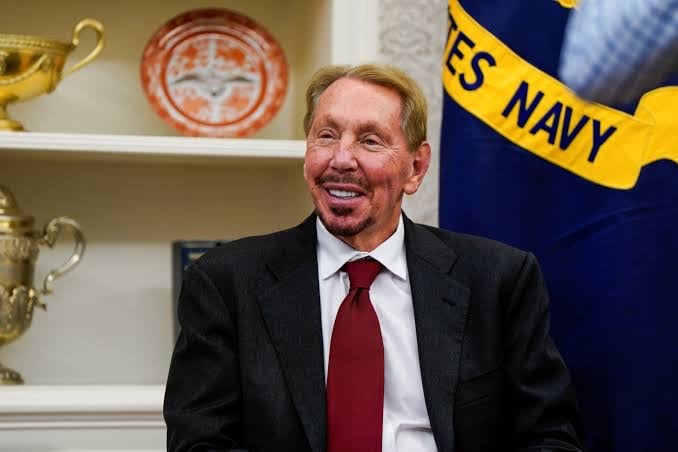
Oracle co-founder Larry Ellison pledged shares in Oracle, Tesla, SpaceX and Paramount Skydance as collateral for loans in the months leading up to his son David Ellison’s acquisition of Warner Bros. Discovery. The financing arrangements expanded shortly before the transaction closed on October 6, highlighting how the billionaire used his investment portfolio to support a major media industry deal without selling substantial amounts of his stock.
Citigroup and JPMorgan Chase reportedly added SpaceX and Paramount Skydance shares to the collateral backing their loans to Ellison in the days surrounding the deal’s completion. The arrangements allowed him to borrow against his holdings while retaining ownership of the underlying assets.
The precise amount of outstanding borrowing has not been disclosed. However, financial filings indicate that lenders increased their claims against Ellison’s shares as the acquisition approached completion, raising questions about the financial arrangements supporting the multibillion-dollar transaction.
Banks Expand Collateral Before Deal Closing
JPMorgan reportedly amended an existing loan agreement with Ellison on October 1, adding SpaceX and Paramount Skydance shares to collateral that already included Oracle and Tesla stock.
Citigroup made changes to its lending arrangements on September 25. The bank increased the number of Oracle shares securing its loan from 30 million to 45 million while reducing the Tesla shares pledged as collateral from three million to 1.5 million.
The changes came as Paramount Skydance moved closer to completing its acquisition of Warner Bros. Discovery.
Other financial institutions, including HSBC, UBS and BNP Paribas, have also been involved in Ellison’s borrowing arrangements. The filings provide insight into the assets pledged to secure his loans, although they do not establish the total amount he borrowed or the complete terms of the agreements.
The growing use of multiple holdings as collateral demonstrates how wealthy investors can leverage diversified portfolios to access liquidity for large financial commitments.
Why Ellison Borrowed Instead of Selling Shares
Ellison had previously planned to sell up to 50 million Oracle shares, valued at approximately $7.5 billion when the plan was established. The proposed sale was intended to help provide funds for his son’s acquisition.
However, he cancelled the share-sale plan in September, shortly after it became public. No shares were sold under that arrangement.

Instead, Ellison relied on stock-backed borrowing to raise funds while retaining his investments.
This strategy can offer several advantages to wealthy shareholders. Selling appreciated stock may trigger capital gains taxes, whereas borrowing against shares generally does not create an immediate taxable gain. Investors can also maintain their ownership positions and continue benefiting if the value of their investments rises.
However, loans secured by shares carry significant risks. Borrowers must meet repayment obligations and cover interest expenses. If the value of pledged assets falls substantially, lenders may require additional collateral or repayment under the applicable loan terms.
Oracle Shares Form a Major Part of the Portfolio
Oracle remains central to Ellison’s financial position. As the company’s executive chairman, chief technology officer and largest shareholder, he holds substantial influence over its strategic direction.
Company disclosures indicated that approximately 413 million Oracle shares had been pledged as collateral for Ellison’s personal indebtedness as of September 21, 2026, compared with 346 million shares a year earlier.
At a closing price of $137.10 on September 25, those pledged shares were worth approximately $56.6 billion. This figure represents the market value of the collateral, not the amount of money borrowed against it.
Oracle has previously explained that the pledged shares secure personal loans used to finance Ellison’s outside business ventures. The company has also maintained that the arrangements do not create a material risk to its operations or shareholders.
Nevertheless, the growing number of pledged shares illustrates the extent to which Ellison uses his equity holdings to support financial activities beyond his primary technology business.
A Major Commitment to the Entertainment Industry
David Ellison’s acquisition of Warner Bros. Discovery represents a significant expansion of the Ellison family’s presence in the entertainment industry.
The transaction brings together major film and television operations, including Warner Bros.’ production capabilities and extensive content library, with Paramount’s broadcasting and streaming businesses.
The combined company will face the challenge of competing in a market where streaming platforms are investing heavily in original programming while traditional television networks contend with changing audience habits.
The deal also involves substantial financing commitments. Larry Ellison’s support has been an important part of the broader financial structure surrounding the acquisition, including a reported personal guarantee exceeding $40 billion tied to the equity financing.
For David Ellison, the transaction creates opportunities to combine established entertainment brands and expand their reach across theatrical releases, television and digital streaming. However, integrating large media businesses could bring additional costs, operational challenges and pressure to improve profitability.
Financial Risks and Investor Implications
Using shares as collateral allows wealthy investors to obtain substantial liquidity without immediately selling their holdings. However, the strategy can increase financial exposure when markets become volatile.
If the value of pledged shares falls, lenders may seek additional security or other remedies permitted by their agreements. A significant forced sale could also affect market prices, depending on the volume of shares involved and prevailing trading conditions.
For Oracle investors, Ellison’s borrowing arrangements are particularly relevant because of the scale of his holdings and his senior leadership position. Still, the existence of pledged shares alone does not establish that a borrower is experiencing financial distress.
The complete amounts, interest rates and repayment schedules associated with Ellison’s loans remain unclear.
Ultimately, the arrangements illustrate how billionaire investors can use stock portfolios to finance large acquisitions while preserving ownership of their assets. They also reveal the complex financial relationships behind the Warner Bros. Discovery deal, as the Ellison family expands its influence across both technology and entertainment.