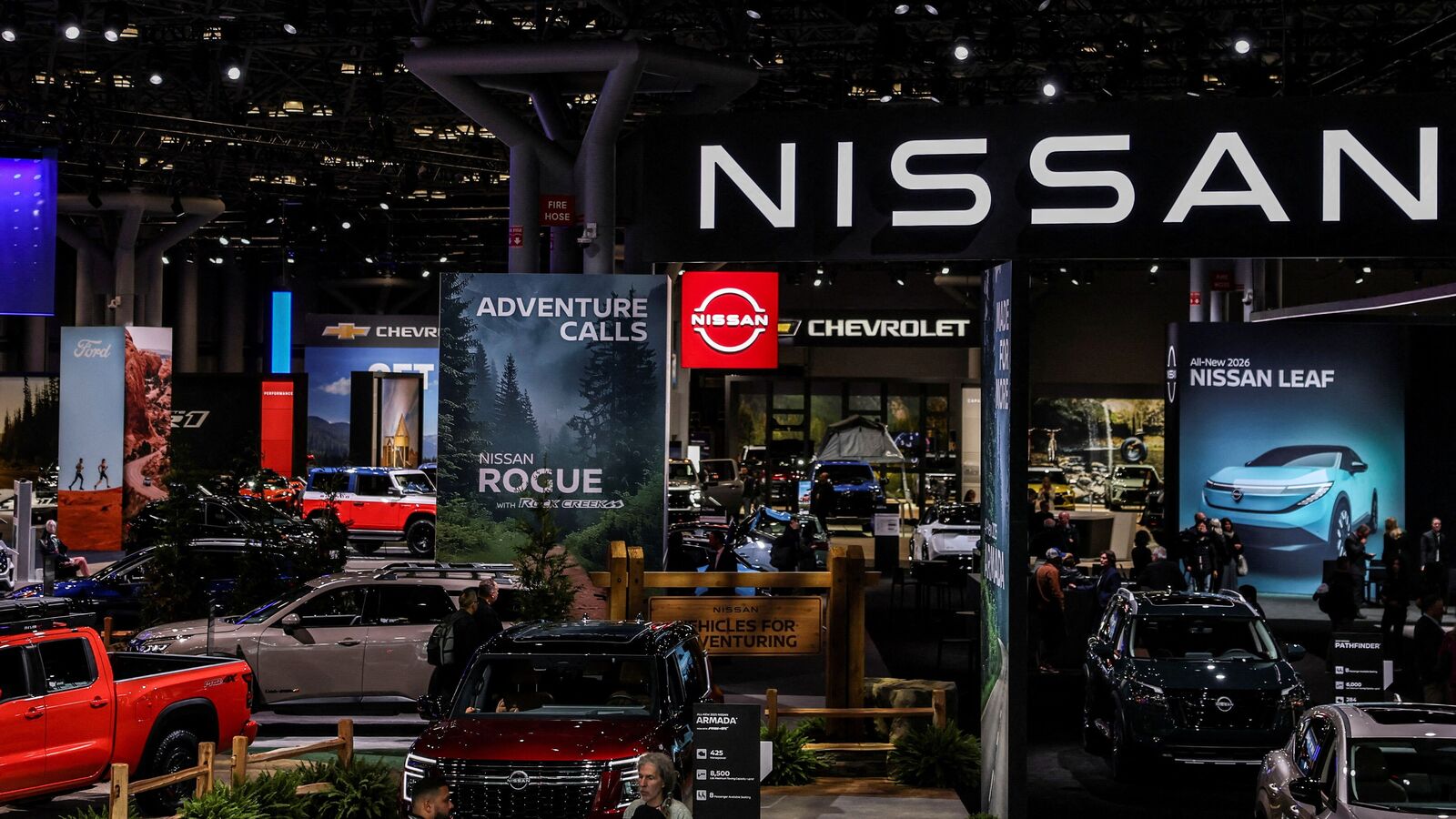
Nissan is making some hard calls. Faced with rising losses and mounting pressure to stay competitive in a fast-changing industry, the Japanese automaker has announced it’s shutting down three major plants—one in Japan and two in Mexico as part of a broader restructuring plan called Re: Nissan.
This isn’t just about trimming fat. It’s about survival.
Goodbye, Oppama: A Factory That Built Nissan’s Identity
Let’s start with Oppama.
This factory, tucked away in Kanagawa, has been around since 1961. It was Nissan’s first big plant for passenger cars and helped shape the company’s global reputation. Over the years, it built everything from the Bluebird to the Cube to the Leaf EV, 17.8 million vehicles in total.
But that era is ending. The plant is outdated and only running at 60% capacity. Rather than pour money into modernizing it, Nissan is shifting production to its more efficient Kyushu plant in Fukuoka. That move alone is expected to cut costs by 15%.
About 2,400 people work at Oppama. Some will move to other factories, but not all. Layoffs are coming.
Mexico Plants Also on the Way Out
Nissan isn’t stopping at Japan.
Two factories in Mexico, Civac and COMPAS, are also set to shut down by early 2027.
The Civac plant, located in Morelos, is historic too. It was Nissan’s first overseas factory, opening back in 1966. Over the decades, it’s produced more than 6 million vehicles. Today, though, it’s barely being used. Chinese automakers like BYD and SAIC are reportedly eyeing it for a possible takeover.
The COMPAS plant in Aguascalientes is newer, launched in 2017 as a joint venture with Mercedes-Benz. It built Infiniti and Mercedes models but hasn’t lived up to expectations—thanks in part to tariffs and weak U.S. demand. It’ll also be winding down.
Re:Nissan: Cutting Back to Move Forward
This all falls under Nissan’s big-picture turnaround plan.
The company posted a massive loss of ¥670.9 billion (about $7.1 billion AUD) in FY2025, forcing it to rethink everything. The goal now is to shrink its manufacturing footprint: go from 17 plants to 10, slash production by a million vehicles, and get the remaining plants running at full capacity.
It’s a play to bring down fixed costs by ¥500 billion ($5.2 billion AUD) and refocus on what’s next: EVs, simpler platforms, and smarter production.
Other plants in Thailand, South Africa, and Argentina might be next. For now, factories in the U.S. and UK are safe.
So, What’s Next?
Nissan isn’t just slashing and burning. It’s also building for the future.
More EVs are coming, including new Leaf models and an electric SUV for the U.S. (delayed, but still in the pipeline for 2028). The company is also cutting its vehicle platforms nearly in half to reduce complexity and cost.
And there’s talk of a potential deal with Foxconn to repurpose the Oppama site into an EV manufacturing hub.
The Bottom Line
This isn’t easy. Shutting down factories, laying off workers, and saying goodbye to decades of legacy isn’t something any company does lightly. But for Nissan, these painful decisions could be what keeps it in the game.
The industry is shifting. And Nissan’s trying to shift with it, leaner, faster, and hopefully, a lot more future-ready.