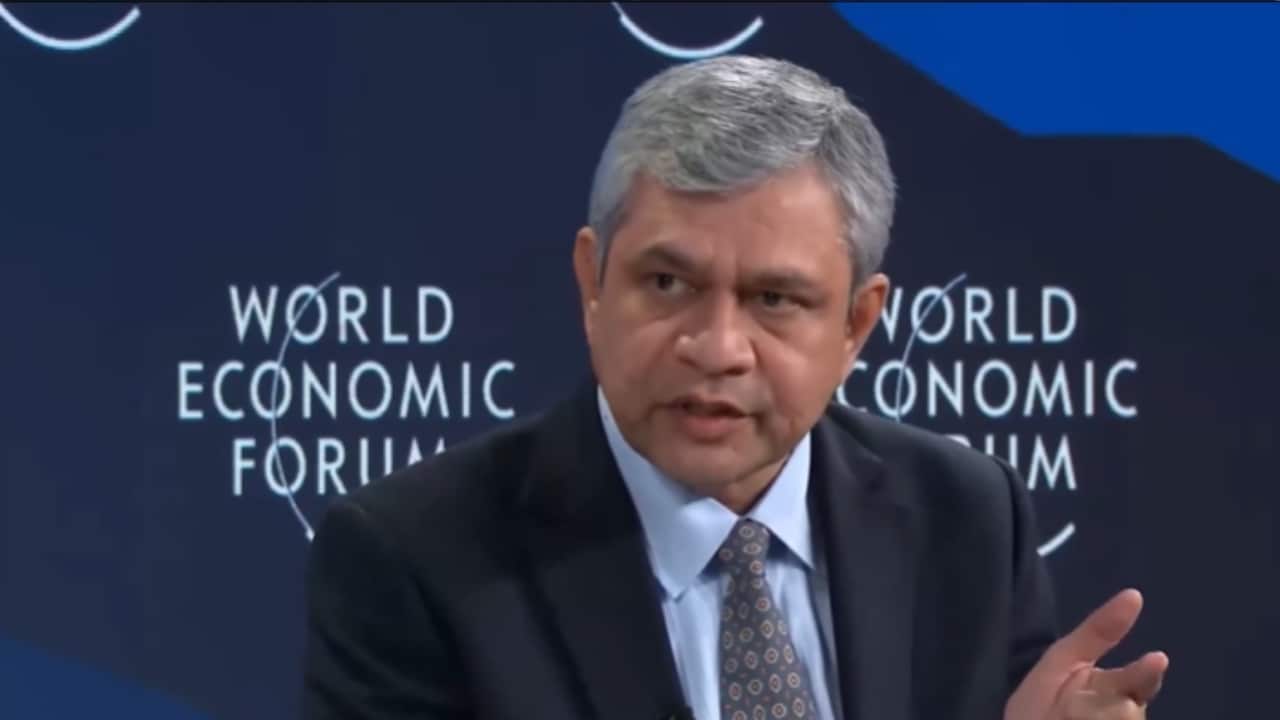
The Indian government is preparing to publish the long-awaited rules for online gaming within the next 15 days, bringing operational clarity to a sector that has been in limbo since the passage of a stringent new law last year. Union Minister for Electronics and Information Technology Ashwini Vaishnaw confirmed the timeline in an interview at the World Economic Forum (WEF) in Davos on January 22, signalling the final step in the rollout of India’s most consequential gaming regulation yet.
“The substantive part of the law takes effect as soon as Parliament passes it. The operative part comes through the rules. They are ready and should be published within an outer limit of 15 days,” Vaishnaw said, underlining that the government is now in the final stretch of implementation.
Credits: Storyboard18
From Law to Enforcement: The Final Missing Piece
India enacted the Promotion and Regulation of Online Gaming Act (PROGA) in August 2025, fundamentally reshaping the country’s digital gaming landscape. The law prohibits online money games where users deposit funds, directly or indirectly, with the expectation of earning winnings. This effectively shut the door on real-money gaming platforms, which had formed the backbone of a $3.5 billion industry.
While the Act itself came into force immediately, its absence of detailed rules created a regulatory vacuum. Startups, investors, payment companies and advertisers were left waiting for clarity on how the government would enforce the law in practice. The upcoming notification of rules is expected to bridge that gap, translating legislative intent into day-to-day regulatory mechanisms.
A Law Passed at Record Speed
One of the most striking aspects of PROGA was the pace at which it moved through the system. The Bill went from cabinet approval to presidential assent in just four days, making it one of the fastest policy enactments in recent parliamentary history. That speed reflected the government’s urgency in addressing what it saw as rising concerns around addiction, financial harm, and misuse of online gaming platforms.
However, the swiftness of the move also caught the industry off guard. Companies that had spent years building real-money gaming businesses saw revenues collapse almost overnight, triggering layoffs, shutdowns and investor write-downs across the ecosystem.
Industry-Wide Consultations Shape the Rules
According to Vaishnaw, the rules have been shaped after extensive consultations with a wide spectrum of stakeholders. “We have had consultation with the industry, financial sector, regulatory bodies, and authorities in the law enforcement sector,” he said.
This process was initiated in October 2025, when the government released draft rules for public feedback. The draft laid out the framework for implementing the law, including registration of online games, grievance redressal mechanisms, compliance requirements, and penalties for violations. Feedback from gaming companies, fintech players, and legal experts is believed to have influenced several refinements in the final version.
Online Gaming Authority of India: A New Regulator Takes Shape
A key feature of the draft rules was the proposal to set up the Online Gaming Authority of India (OGAI). The new body will act as the central regulator, overseeing game registration, monitoring compliance, and enforcing penalties. It will also be responsible for addressing user complaints and coordinating with law enforcement agencies.
The creation of OGAI signals a shift from fragmented oversight to a single-window regulatory structure—something the industry had long demanded, albeit under very different rules of engagement.
A Sector Rebuilt from the Ground Up
The rules are expected to define what kind of gaming businesses can survive—and thrive—in the new regulatory environment. With real-money gaming banned, companies are now pivoting toward skill-based free-to-play games, esports, casual gaming, and subscription-led models. Global gaming studios and Indian developers alike are watching closely, as regulatory certainty could unlock fresh investment into these safer, non-monetised segments.
For financial intermediaries and advertisers, the rules will also clarify liabilities, compliance obligations, and the extent of due diligence required when working with gaming platforms.

Credits: Moneycontrol
What Comes Next
Once the rules are notified, enforcement is expected to begin swiftly. Platforms that fail to comply could face blocking orders, financial penalties, and even criminal action under the Act. For the government, this marks the completion of a regulatory overhaul aimed at balancing innovation with consumer protection.
For the industry, the next 15 days could determine the shape of Indian gaming for years to come—marking the end of one era and the beginning of another.