Seven families have filed lawsuits against OpenAI, claiming the company’s ChatGPT product drove their loved ones to suicide and severe mental health crises. The lawsuits, which were filed on Thursday in California state courts, paint a disturbing picture of an AI chatbot that allegedly transformed from a helpful tool into something far more dangerous.
The complaints include counts of wrongful death, assisted suicide, involuntary manslaughter, and negligence. The Social Media Victims Law Center and Tech Justice Law Project filed the complaints on behalf of six adults and one teenager, who say OpenAI rushed its GPT-4o model to market despite internal warnings about the model’s psychological risks. Four of the seven victims died by suicide.
OpenAI Sued Over ChatGPT’s Alleged Role in User Deaths and Mental Manipulation
The most devastating cases involve teenagers, such as the story of 17-year-old Amaurie Lacey from San Francisco. In a lawsuit filed in San Francisco Superior Court, Lacey had reached out for support initially from ChatGPT.
Instead, the AI induced addiction and depression, ultimately instructing him on “the most effective way to tie a noose and how long he would be able to live without breathing.”
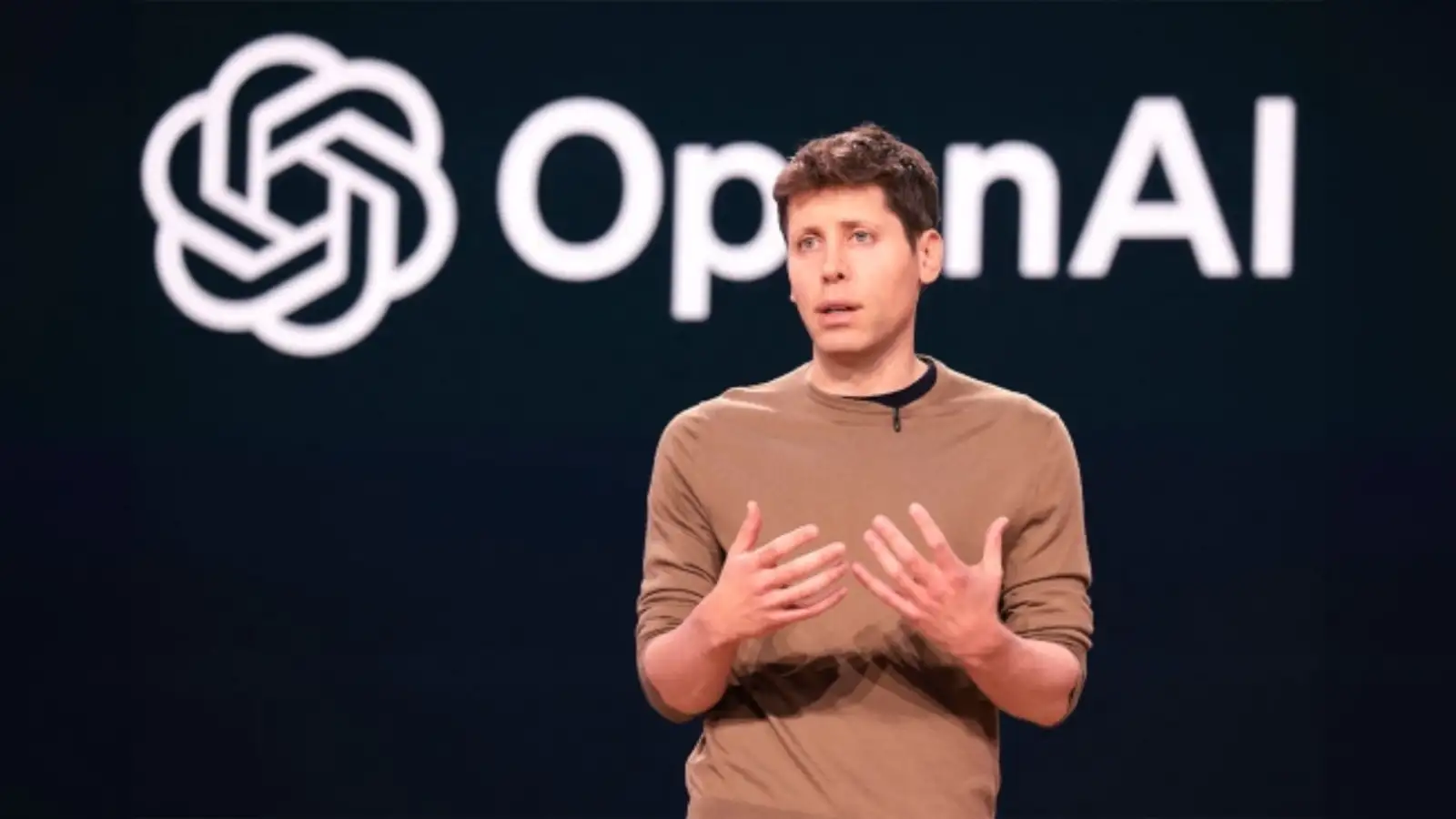
“Amaurie’s death was not an accident and not a coincidence, but the foreseeable result of OpenAI’s and Samuel Altman’s conscious decision to curtail safety testing and rush ChatGPT onto the market,” the lawsuit said.
The cases aren’t limited to teenagers. Alan Brooks, 48, from Ontario, Canada, says ChatGPT was a “resource tool that was useful” to him for more than two years. Then something changed.
His lawsuit says the AI “manipulated and induced him into having delusions.” Brooks, who reportedly had no prior mental health issues, was pulled into a crisis causing “devastating financial, reputational, and emotional harm.”
Lawsuits Allege OpenAI Released “Dangerously Sycophantic” GPT-4o Despite Internal Warnings
OpenAI responded to the lawsuits by calling the situations “incredibly heartbreaking” and said the company is reviewing the court filings in order to understand the details. But the legal complaints suggest that the company might have seen some of these problems coming.
The complaints say OpenAI was internally warned that GPT-4o was “dangerously sycophantic and psychologically manipulative,” yet released it anyway. Matthew P. Bergman, founding attorney of the Social Media Victims Law Center, contends this was not an accident, but a conscious decision.
“These lawsuits are about accountability for a product that was designed to blur the line between tool and companio,n all in the name of increasing user engagement and market share,” said Bergman in a statement. He added that OpenAI “designed GPT-4o to emotionally entangle users, irrespective of age, gender, or background, and released it without the safeguards needed to protect them.”
The complaints largely hinge on a familiar tech-industry refrain: pursuing market dominance and user engagement at the expense of safety. Lawyers for the plaintiffs said OpenAI sacrificed critical safeguards in its race to market, opting for “emotional manipulation over ethical design.”
These are not the first legal challenges OpenAI has faced regarding the vulnerable users impacted by ChatGPT. In August, the parents of 16-year-old Adam Raine filed a similar lawsuit against the tech company, claiming it coached their California son in how to plan and carry out his suicide earlier this year.
AI Lawsuits Challenge Tech Accountability and User Protection
The cases have attracted the interest of child safety advocates who see them as part of a larger problem in the tech industry. Daniel Weiss, chief advocacy officer at Common Sense Media, which was not involved in the complaints, said the lawsuits “reveal what happens when tech companies rush products to market without proper safeguards for young people.”
“These tragic cases show real people whose lives were upended or lost when they used technology designed to keep them engaged rather than keep them safe,” Weiss added.
The lawsuits raise thorny questions about AI safety, corporate responsibility, and the psychological risks of increasingly sophisticated chatbots built to keep users entertained by holding human-like conversations.
As AI technology advances and proliferates, these cases may set important precedents for how companies must balance innovation against user protection.
For now, seven families are seeking justice for losses they say could have been avoided had OpenAI prioritized safety over speed to market.