Bengaluru-based logistics startup Porter has hit the brakes — only to speed up again. The company has laid off around 300–350 employees, nearly 18% of its workforce, in what it calls a strategic restructuring. The move comes as Porter merges its truck and two-wheeler delivery units, streamlining operations to cut overlap and boost efficiency.
While the decision wasn’t easy, Porter has tried to cushion the impact. The affected employees will receive severance pay, extended health coverage, and career transition support, ensuring they’re not left stranded.
In its statement, the company noted, “We’re in the midst of a transition aimed at building a stronger, more agile, and financially resilient organization.” In short, it’s a painful but purposeful move — a pit stop on Porter’s long road to dominance in India’s booming logistics industry.
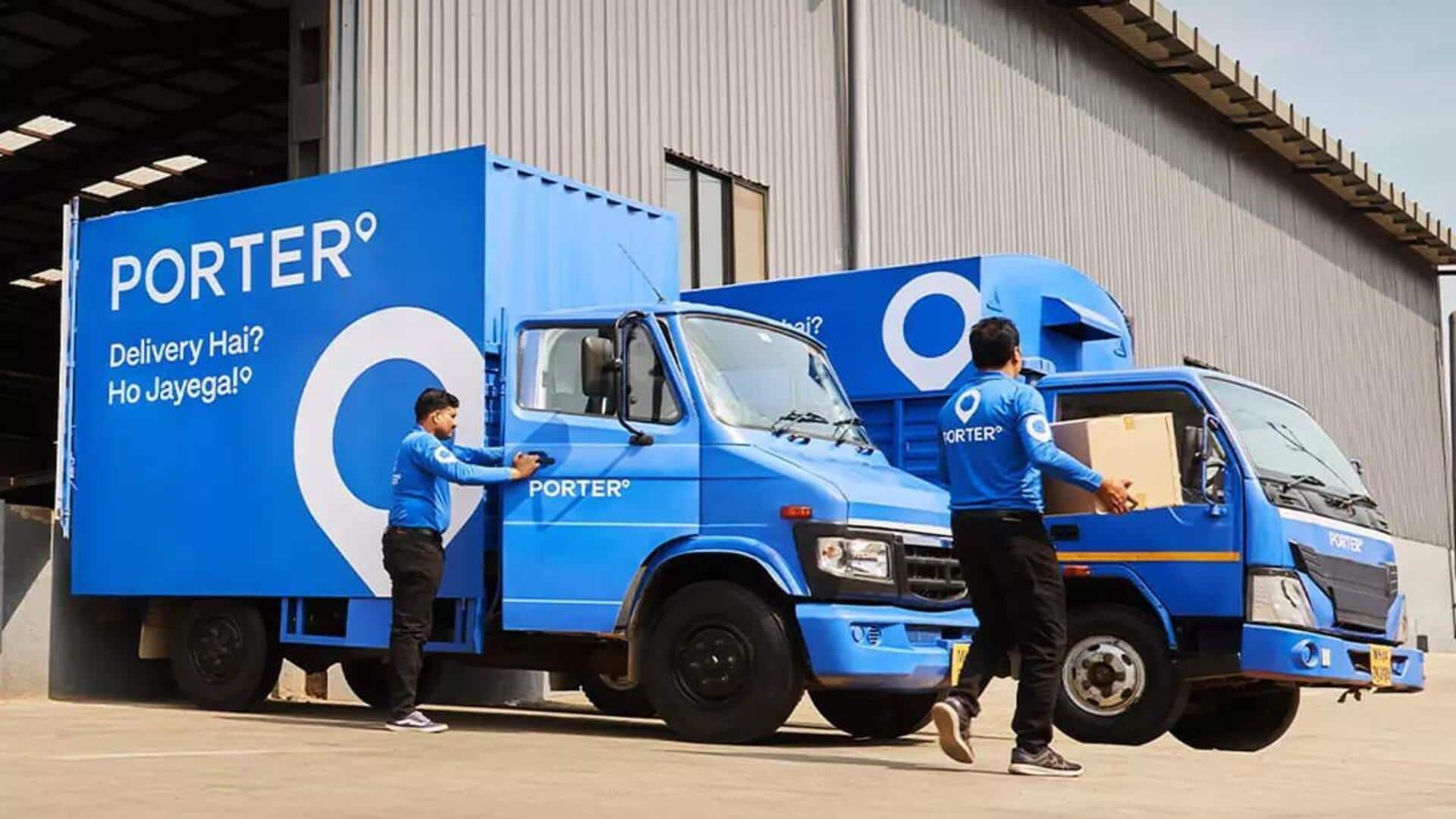
Credits: NewsBytes
Turning Losses into Gains: Porter’s Financial Comeback Story
Behind the tough headlines lies a comeback story worth telling. After ending last year in the red, Porter has not just recovered — it’s zoomed into profitability, posting a ₹55 crore profit for FY25. That’s a stunning turnaround for a company navigating one of the most competitive logistics markets in Asia.
The momentum doesn’t stop there. Porter’s revenue surged 57%, touching a whopping ₹4,306 crore in FY25. From on-demand trucking to enterprise logistics, every vertical seems to be firing on all cylinders.
This financial revival has caught investors’ eyes. Porter raised $200 million in May 2025 at a $1.2 billion valuation, joining India’s coveted unicorn club. And it’s not done yet — the company is now closing another $100–110 million funding round, which could take its total capital raised to over $300 million.
Simply put, while the restructuring may appear like a slowdown, the financial dashboard shows the opposite — Porter is accelerating, profitably.
Chasing Scale: The 2030 Dream
Since its start in 2014, Porter has grown into one of India’s most trusted logistics partners for small and medium businesses (SMEs). With over 300,000 driver-partners and two million SMEs already onboard, the company has built a robust network of trucks, two-wheelers, and delivery services that keep India’s urban economy moving.
But Porter’s ambition doesn’t end there. By 2030, it plans to quadruple its driver network to 1.2 million and serve 10 million SMEs across the country. That means deeper penetration into Tier 2 and Tier 3 cities, more technology-driven logistics solutions, and a massive bet on India’s digital commerce boom.
From local kirana stores to mid-sized manufacturers, Porter wants to be the invisible backbone that keeps goods moving — fast, reliable, and affordable.
Restructuring for the Long Haul — and the Public Markets
While layoffs usually signal turbulence, Porter insists this restructuring is about long-term strength, not short-term struggle. Insiders suggest the company is laying the groundwork for a potential IPO, joining the ranks of Delhivery and Blue Dart as the next big logistics player to hit the public markets.
Porter’s management echoed this sentiment, saying the move will help it become “leaner, sharper, and ready for the next chapter of growth.” With profitability achieved and new funding on the horizon, Porter seems to be positioning itself as a public-market-ready powerhouse.
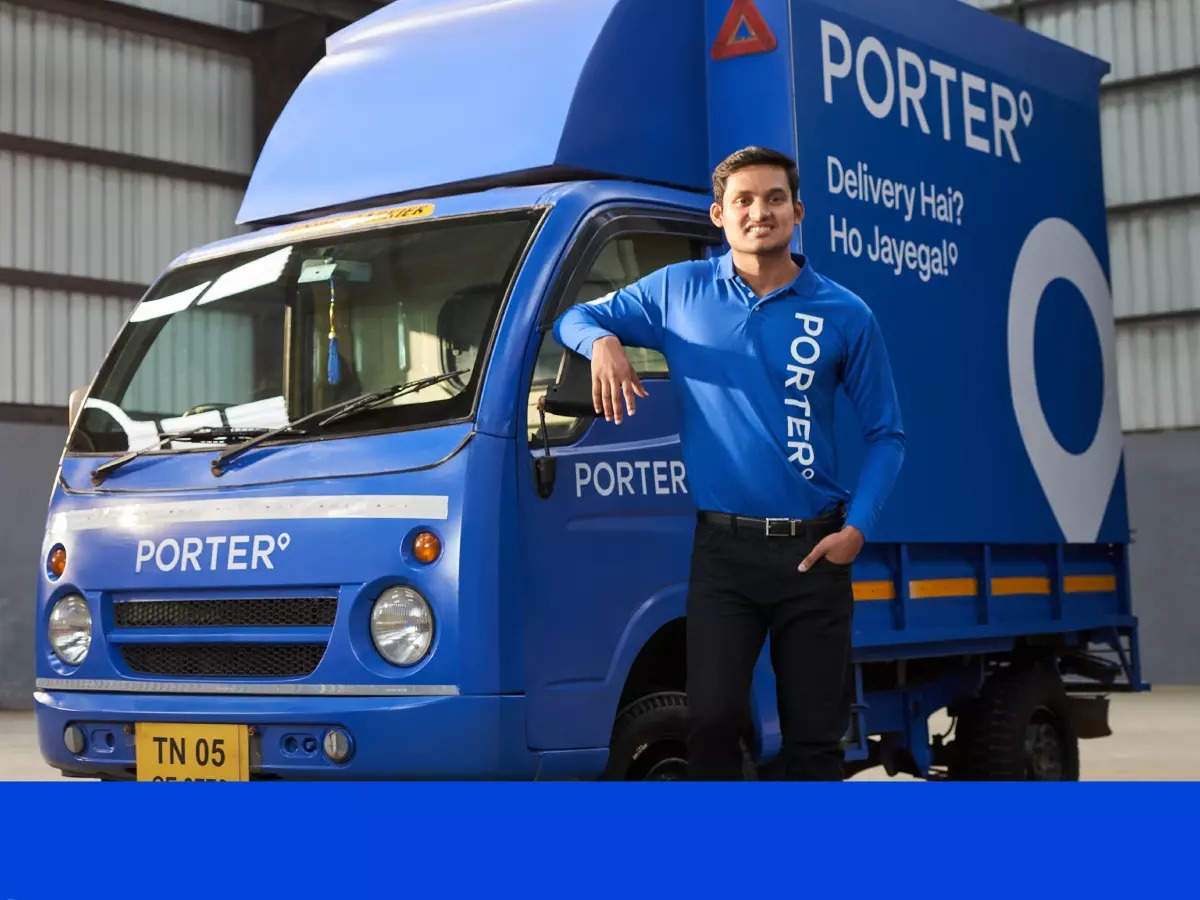
Credits: BrandEquity
The Road Ahead: Leaner, Faster, Stronger
Porter’s current chapter is a reflection of a broader shift sweeping through India’s startup ecosystem — where growth is no longer about scale alone, but sustainability and discipline.
By merging overlapping teams, tightening its cost structure, and doubling down on financial health, Porter is playing the long game. It’s a company that’s trimming excess, not ambition — preparing for the next big leap rather than hitting the brakes.
If all goes as planned, Porter’s 2025 may be remembered not for its layoffs, but as the year it reset, recharged, and refueled for a decade of expansion and innovation.
The road ahead looks challenging — but if there’s one thing Porter knows well, it’s how to navigate tough terrain and keep moving forward.