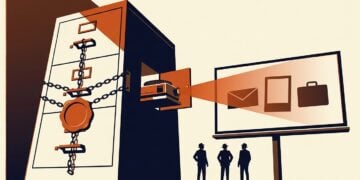
In a new development that has ignited a firestorm of debate, a proposed bill in the United States aims to regulate and restrict access to online adult content. The legislation, which has drawn the attention of privacy advocates, tech companies, and civil liberties groups, is a multifaceted attempt to address concerns about internet safety, particularly for minors. However, what has many people concerned is a provision in the bill that could effectively target and block Virtual Private Networks (VPNs), a technology widely used to protect online privacy and bypass censorship. This move has raised serious questions about the balance between public safety and individual freedoms in the digital age.
The proposed bill takes a two-pronged approach. First, it seeks to mandate age verification for websites that host adult content, with the stated goal of preventing minors from accessing explicit material. While the intention behind this is broadly supported, the methods for implementation are a major point of contention. Such a system could require users to provide sensitive personal information, creating new avenues for data breaches and surveillance.
The second, more controversial, provision targets the tools used to circumvent these restrictions namely, VPNs. For many people, VPNs are a critical tool for maintaining privacy online. They create an encrypted tunnel for data, masking a user’s IP address and location. This is essential for journalists working in repressive regimes, activists trying to organize without government interference, and everyday citizens who simply want to browse the internet without being tracked by advertisers or corporations. By proposing to block VPNs, the bill is not just limiting access to adult content; it is striking at the heart of online privacy and security.
The fight over this bill is a microcosm of a larger global struggle over the future of the internet. Many governments are seeking to exert greater control over online content and communication, often under the guise of protecting their citizens. However, critics argue that such measures often lead to a chilling effect on free speech and open access to information. If this bill passes, it could set a dangerous precedent, making it easier for future legislation to restrict a wider range of online activities.
The technology behind a VPN, which the bill seeks to block, is what allows for secure and private communication across public networks. Banning this technology would not only make it harder for people to access restricted content but would also leave them vulnerable to cyber threats. Without the protection of a VPN, users’ data from banking information to personal correspondence would be more exposed to hackers and malicious actors.
The Unintended Consequences
The bill’s sponsors have a clear objective, but the potential for unintended consequences is high. For example, a blanket ban on VPNs could disrupt legitimate business operations that rely on them for secure remote work. It could also hamper a user’s ability to protect themselves from fraud and identity theft. Moreover, the legislation could create a cat-and-mouse game between regulators and developers, with new circumvention tools being created as soon as old ones are blocked. This could lead to a fragmented, less secure internet for everyone.
This proposed legislation highlights the complexities of governing the internet. It forces a difficult conversation about the trade-offs between a government’s desire for control and the public’s right to privacy and freedom of expression. As the debate continues, the outcome of this bill could have a lasting impact on how we interact with the digital world.