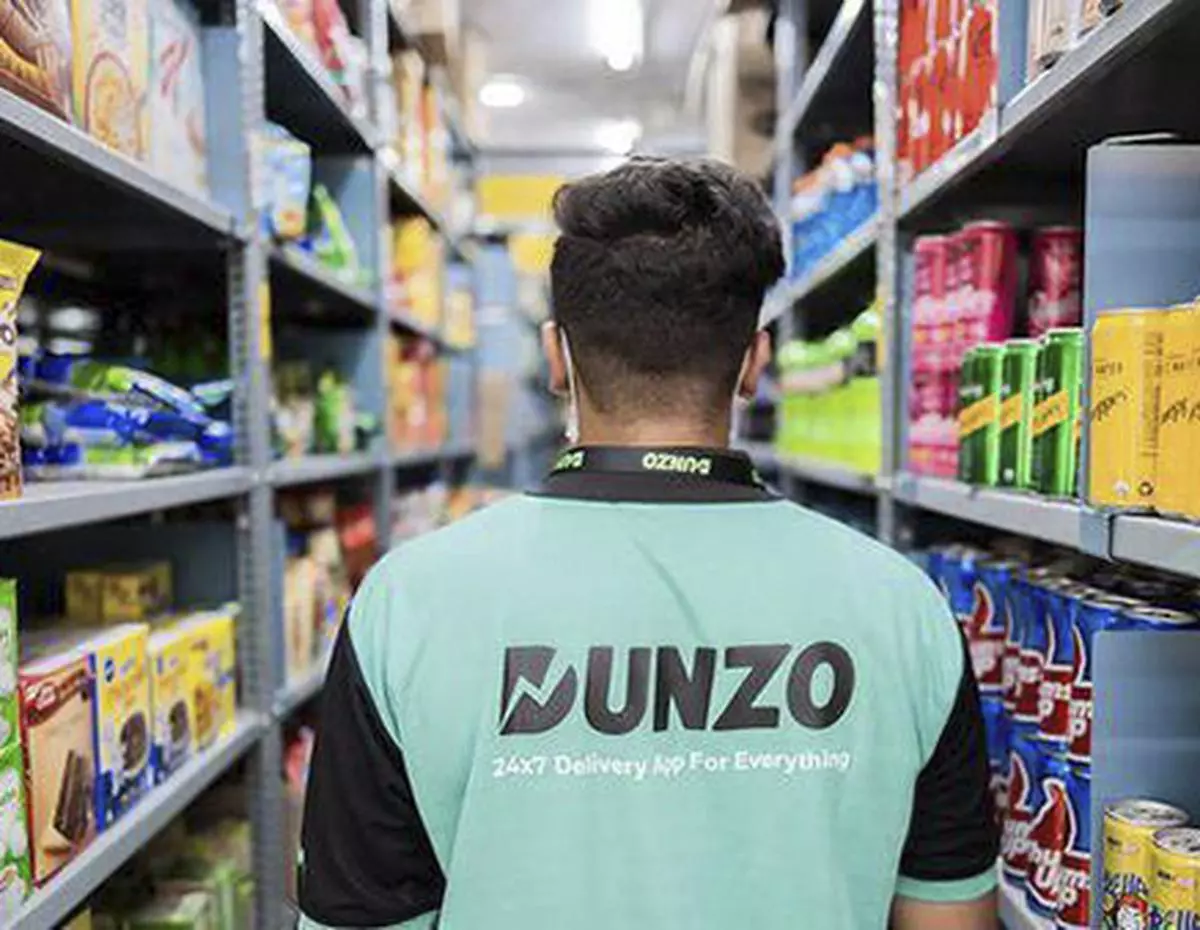
Reliance Retail, the consumer arm of Reliance Industries, has officially written down its ₹1,645 crore investment in Dunzo, marking the end of its association with one of India’s earliest hyperlocal delivery success stories. The move, disclosed in the conglomerate’s latest annual report, comes after Dunzo shut down operations earlier this year.

Credits: Yourstory
A Bold Bet in Quick Commerce
Back in January 2022, Reliance Retail tossed its hat into the quick commerce ring by leading a $240 million funding round in Dunzo alongside Lightbox, 3L Capital, and Alteria Capital. The retail giant picked up around 26% stake in the Bengaluru-based startup, joining marquee investors like Google (19.3% stake) and Lightbox (10% stake).
At the time, quick commerce was the hottest segment in Indian e-commerce, with the promise of delivering groceries and essentials in 10–20 minutes. Dunzo, having already built a hyperlocal network, seemed perfectly positioned to scale.
From Bike Messengers to 10-Minute Deliveries
Founded in 2014 by Kabeer Biswas and team, Dunzo started as a quirky WhatsApp-powered concierge service—fetching groceries, dropping packages, even getting laundry done. Over the years, it pivoted from hyperlocal errands to grocery delivery and finally became a full-fledged quick commerce platform.
By 2021, Dunzo had raised over $450 million and was competing head-to-head with Zepto, Blinkit, and Swiggy Instamart. Its promise of speed and convenience made it a darling of urban millennials.
Trouble in Paradise
But beneath the flashy ads and catchy delivery timelines lay a harsh reality—quick commerce is brutally expensive. The business model is heavily cash-intensive, with high costs for logistics, warehousing, and deep discounts.
As competition heated up, customer acquisition costs soared. Blinkit found backing in Zomato, Swiggy doubled down on Instamart, and Zepto raised mega rounds at sky-high valuations. Dunzo, despite Reliance’s support, began to lose ground.
By late 2023, signs of strain were evident—repeated layoffs, unpaid salaries, and reduced service coverage. The app and website started facing outages, and expansion plans were quietly shelved.
The Final Curtain
In January 2025, Dunzo’s app and website went offline. Its last remaining co-founder and CEO, Kabeer Biswas, left the company to join Flipkart, where he now heads Flipkart Minutes, the e-commerce giant’s own quick commerce push.
For Reliance Retail, the writing was on the wall. The ₹1,645 crore stake—once seen as a gateway into India’s fastest-growing e-commerce segment—was marked down to zero in the latest financials.
Reliance’s New Game Plan
While Dunzo is now history, Reliance Retail hasn’t given up on quick commerce. Instead of relying on a third-party platform, the company is leveraging its vast store network to fulfill grocery orders for its JioMart-backed quick commerce play.
For areas not directly serviceable through its existing stores, Reliance is actively building dark stores—small warehouses located close to high-demand neighborhoods—to ensure rapid delivery coverage. This hybrid model allows Reliance to integrate online orders with its offline supply chain, potentially making the business more cost-efficient.
Lessons from the Dunzo Debacle
The fall of Dunzo is a cautionary tale for India’s startup ecosystem. It shows that first-mover advantage is no guarantee of survival—especially in a capital-heavy sector like quick commerce. Deep-pocketed rivals, operational inefficiencies, and unsustainable burn rates can quickly erode market position.
For Reliance, the episode underlines the importance of owning the operational backbone. Rather than betting on startups, the conglomerate now seems determined to build quick commerce capabilities in-house, backed by its retail muscle and supply-chain dominance.

Credits: NewsBytes
The End of an Era
Dunzo’s journey—from a scrappy Bengaluru side project to a Reliance-backed unicorn, and finally to a shutdown—is both inspiring and sobering. While the brand may no longer deliver, its story will remain a notable chapter in India’s e-commerce history.
For now, Reliance Retail moves forward, having learned from its ₹1,645 crore lesson, and India’s quick commerce race continues—faster, fiercer, and more competitive than ever.