Washington has raised the stakes in its technology battle with Beijing. The Trump administration recently warned that companies worldwide could face legal consequences for using Chinese-made AI chips, even if those chips are deployed outside American borders.
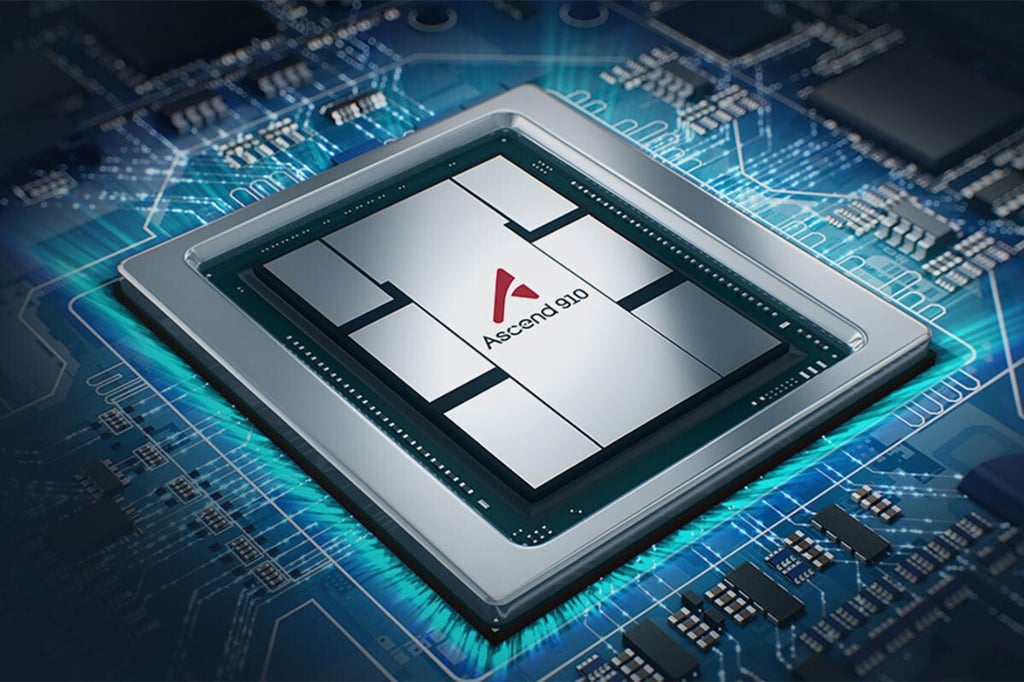
The Commerce Department’s Bureau of Industry and Security (BIS) issued new guidance specifically targeting Huawei’s Ascend line of AI processors. According to officials, using Huawei’s Ascend 910B, 910C, and 910D chips might violate US export control laws regardless of where they’re deployed.
“This isn’t about creating new rules,” explained Kevin Wolf, a former BIS official now with law firm Akin Gump. “It’s clarifying how existing regulations apply globally.”
The controversial stance stems from the US Foreign Direct Product Rule, which allows American authorities to control products made with US technology or software, even when manufactured abroad. BIS claims Huawei’s advanced chips likely relied on American designs or tools during their creation, placing them under US jurisdiction.
For multinational companies, the warning creates a difficult balancing act between following US regulations and functioning in markets where Chinese technology is increasingly dominant.
Huawei’s AI Breakthrough Triggers American Concern
Behind the scenes, growing anxiety over China’s technological progress appears to be driving these stricter interpretations. Huawei has made remarkable advances in AI chip development despite years of US sanctions intended to cripple its capabilities.
The Chinese tech giant has been shipping large clusters of its Ascend 910C chips to domestic clients. While individual Ascend processors may not match the raw power of top-tier Nvidia chips, Huawei’s approach of bundling them together creates systems that reportedly outperform Nvidia clusters in both computing power and memory capacity.
Satellite imagery and procurement documents show Huawei rapidly scaling up its semiconductor manufacturing capabilities. This progress comes despite Washington’s sustained efforts to limit the company’s access to advanced chipmaking equipment and design tools.
The timing of the Commerce Department’s announcement coincided with President Trump’s visit to Saudi Arabia, where concerns about AI computing capacity were already causing tension.
During the trip, Saudi Arabia’s state-backed AI company Humain revealed plans to acquire hundreds of thousands of Nvidia chips. The enormous scale of the proposed deal reportedly alarmed US officials, who worry that allowing so much AI computing power to move offshore could undermine America’s technological advantages.
Some within the administration have expressed concern that Saudi and Emirati partnerships with Beijing could potentially create backdoor channels for Chinese access to advanced computing resources, undermining years of containment strategy.
Policy Shift Under New Administration
The Trump team has also rolled back the Biden-era AI Diffusion Rule, which would have restricted exports of AI chips to countries that might redirect them to China. Set to take effect on May 15, the rule was scrapped for being “too bureaucratic” according to administration officials.
The White House has indicated it will develop a replacement policy with “stronger standards,” though details remain unclear.
As Huawei continues narrowing the performance gap with American chipmakers and establishes control over domestic and regional AI markets, Washington’s approach has become increasingly assertive. The recent warning represents a significant escalation, claiming jurisdiction over technology use far beyond US borders.
For global technology companies, the message is clear: choosing Chinese AI chips could mean running afoul of US law, regardless of where those chips are used. This bold stance could fundamentally reshape global AI supply chains and force companies worldwide to reconsider their technology partnerships.