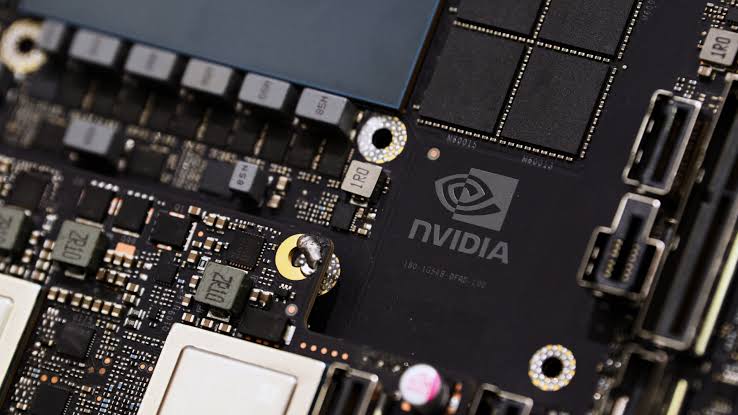
Former President Donald Trump is pushing for a bold strategy to bring semiconductor manufacturing back to American soil. Speaking at a Republican event, Trump announced plans to impose significant tariffs—potentially up to 100%—on chips made in Taiwan, a move that could reshape the global tech supply chain. The proposal is part of his broader effort to revive U.S. manufacturing and reduce dependence on foreign-produced goods, especially semiconductors.
Reviving American Manufacturing
Trump’s proposal targets the growing reliance on Taiwan Semiconductor Manufacturing Company (TSMC), the world’s largest chipmaker, which supplies chips to major U.S. tech companies like Apple, Nvidia, Qualcomm, and AMD. Although TSMC has recently opened a factory in Arizona, most of its production still takes place in Taiwan. Trump views this as a missed opportunity for the U.S. and advocates for a strategy that would bring chip production back home.
“We need to make these products here, in America,” Trump said. He argued that placing tariffs on Taiwanese-made semiconductors would incentivize companies to build production facilities in the U.S. rather than relying on foreign manufacturers.
Criticism of Biden’s CHIPS Act
Trump also criticized the Biden administration’s CHIPS and Science Act, which allocates over $52 billion to incentivize domestic semiconductor production. Calling it a “ridiculous program,” Trump contended that U.S. tech giants already have the financial resources they need and that the real motivation for relocating manufacturing should be the looming threat of hefty tariffs. “They don’t need money, they need an incentive,” Trump added.
His solution? A system where companies would face tariffs of 25%, 50%, or even 100% on imported chips unless they set up production plants in the U.S. According to Trump, this approach would save taxpayers from financing factories and instead push companies to fund the expansion themselves.
Industry Reactions and Potential Challenges
While Trump’s plan may sound appealing in theory, industry leaders and experts are wary of the practical implications. Companies like Intel, which received nearly $8 billion from the CHIPS Act last year, are working to reduce the U.S.’s reliance on imported semiconductors by expanding manufacturing in states like Arizona and Ohio. These investments represent a long-term effort to build a more secure, domestic supply chain for chips.
However, Trump believes that tariffs will speed up the process of bringing semiconductor manufacturing to the U.S. “The only way you’ll get out of this is to build your plant right here in America,” he said. Despite his optimism, experts point out that constructing semiconductor factories is a lengthy and expensive process, often taking several years to complete.
Tariffs could also have unintended consequences, including higher prices for consumer electronics such as iPhones, Nvidia graphics cards, and AMD processors, which rely on TSMC chips. The real impact will depend on how these tariffs are applied—whether they target the chips themselves or the final products they are used in.
Taiwan’s Response
In response to Trump’s tariff threat, Taiwan’s Ministry of Economic Affairs emphasized the close collaboration between the U.S. and Taiwan in the semiconductor industry. The ministry pointed out that the U.S.-designed, Taiwan-manufactured chip model benefits both countries and helps sustain a global technology supply chain.
Taiwan officials also expressed a commitment to ongoing dialogue with the U.S. to ensure that their industries remain aligned and that both nations continue to benefit from their shared technological expertise.
Economic Considerations
Trump’s tariff plan is part of a larger debate over how to reduce reliance on foreign manufacturing, especially for essential goods like semiconductors. While bringing production back to the U.S. could create jobs and strengthen national security, it also risks disrupting the current global supply chain. Taiwan’s dominance in the semiconductor market presents challenges for the U.S., and tariffs could cause significant disruptions in the tech industry, leading to price increases and potential shortages of popular consumer electronics.