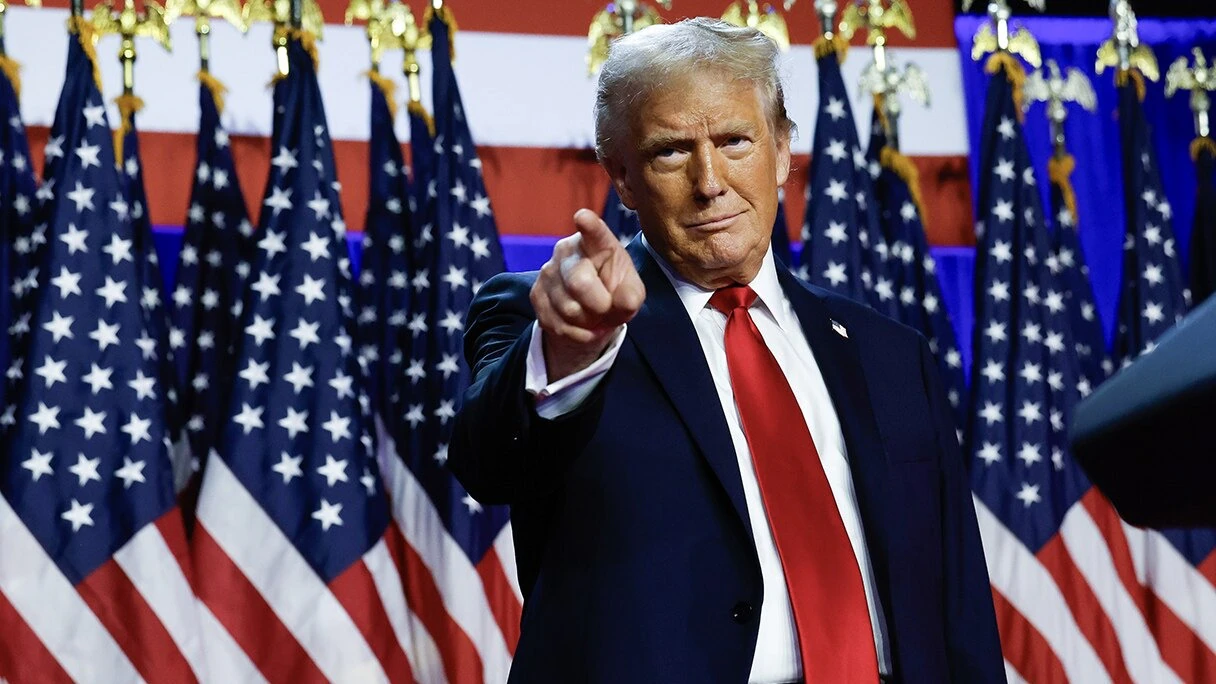
Automakers are set to receive a major financial reprieve under a newly signed law by U.S. President Donald Trump that retroactively eliminates fuel economy penalties for certain past model years. The provision, quietly embedded in a broader tax and budget package passed earlier this month, erases penalties dating back to the 2022 model year so long as final rules had not yet been issued by the National Highway Traffic Safety Administration (NHTSA) for those years.
According to Senate Republicans, the rollback could save automakers an estimated $200 million, offering relief to companies such as General Motors (GM) and Stellantis, both of whom had previously paid over $700 million combined in Corporate Average Fuel Economy (CAFE) fines.
GM and Stellantis Escape Further Penalties
The change is a win for legacy automakers who have struggled to meet increasingly stringent fuel efficiency targets amid continued production of internal combustion engine (ICE) vehicles. GM and Stellantis, in particular, stand to benefit from the rollback of retroactive fines.
The law comes at a time when GM is doubling down on ICE investments, announcing a $4 billion expansion across manufacturing plants in Michigan, Kansas, and Tennessee. Notably, the Orion Township facility in Michigan once designated for electric vehicle (EV) production will now take over manufacturing of the gasoline-powered Cadillac Escalade and trucks like the Chevrolet Silverado and GMC Sierra.
Environmentalists Sound Alarm
Environmental groups and climate advocates have fiercely opposed the move. Dan Becker of the Center for Biological Diversity called the change “an obscene gift to pollution law violators,” arguing that it undermines national efforts to combat climate change and reduce tailpipe emissions.
The Trump administration has made a series of regulatory moves aimed at supporting the fossil fuel and ICE vehicle industries, including repealing EV tax credits and blocking California’s planned 2035 ban on gasoline-only vehicles.
Tesla’s Regulatory Credit Market Faces Uncertainty
The rollback of fuel economy penalties could also disrupt the revenue streams of electric vehicle manufacturers particularly Tesla, which earned $2.8 billion last year selling emissions credits to automakers that fell short of environmental targets.
With reduced penalties and loosened compliance standards, the demand for Tesla’s credits may drop, cutting into a lucrative part of its business. Republican Senator Bernie Moreno labeled such credit payments as “outrageous,” while NHTSA Administrator nominee Jonathan Morrison added, “At the end of the day, a consumer is going to pay for that.”
Regulatory Landscape in Flux
The Biden administration had earlier proposed stricter CAFE standards that projected $14 billion in industry-wide penalties by 2032. However, a revised final rule issued in 2024 significantly scaled back those fines, bringing the expected total down to $1.83 billion from 2027 to 2031.
The continued policy shifts underscore the volatile regulatory environment automakers are navigating caught between evolving federal standards and ambitious state-level climate goals.
Market Response Mixed
Retail investor sentiment on Stocktwits showed mixed reactions to the developments. GM saw a “bearish” outlook under low message volume, while Tesla was marked “bullish” despite concerns about falling credit revenues. Stellantis drew “neutral” sentiment but had high engagement on the platform, reflecting broader uncertainty about the long-term impact of the policy shift.
As automakers accelerate or stall their EV ambitions based on political winds, the rollback of fuel economy penalties adds a new chapter in the ongoing tug-of-war between industry interests and environmental imperatives.