Silicon Valley was left reeling after Varun Mohan, co-founder and CEO of promising AI startup Windsurf, abruptly left the company to join Google’s DeepMind. Mohan, along with co-founder Douglas Chen, made the switch following intense corporate maneuvering that had seen OpenAI reportedly in advanced acquisition talks with Windsurf just a month ago.
Their exit, described by many as abrupt and unannounced, left Windsurf in disarray. The startup, known for developing cutting-edge AI tools to streamline software development, had to scramble over a tense weekend to secure a last-minute acquisition by another AI firm, Cognition. Jeff Wang, now the CEO of Windsurf, described the chaotic deal as “crazy”.
In this article, we will delve into the dramatic fallout from Varun Mohan’s exit from Windsurf, the industry backlash it sparked, and what it reveals about shifting norms in Silicon Valley’s startup culture.
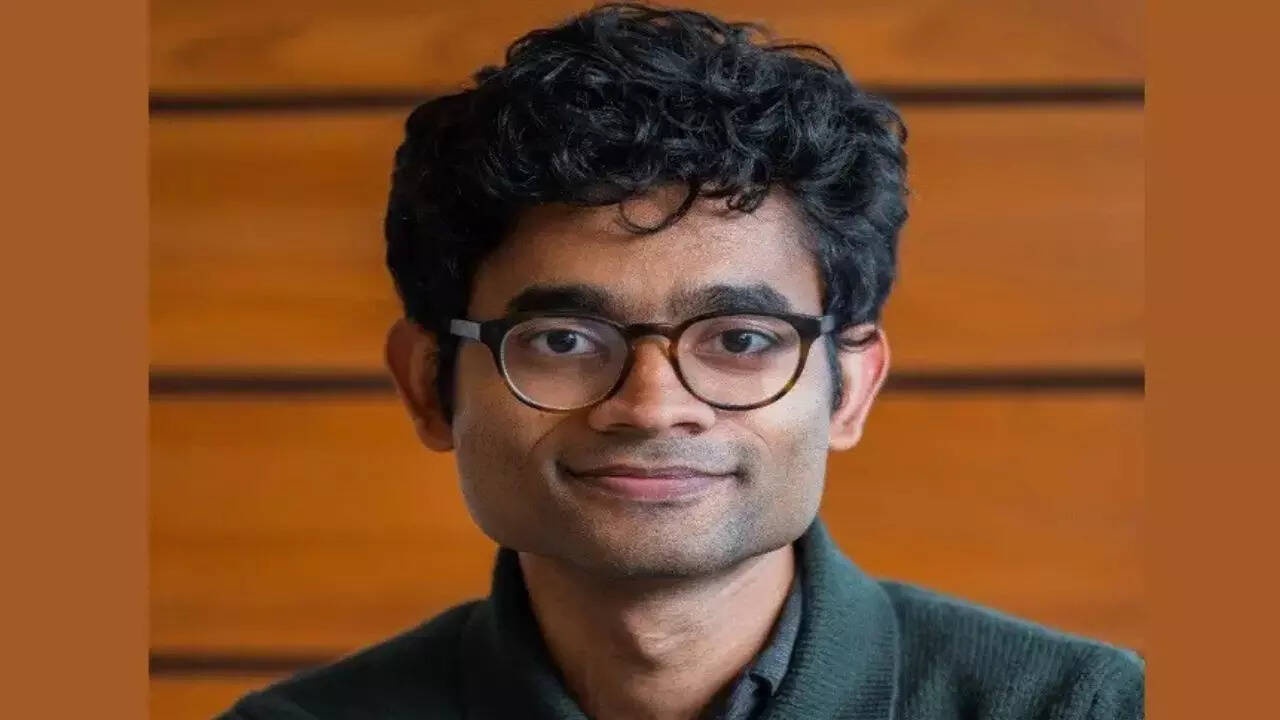
Credits: Times of India
Industry Outrage: A Breach of the Founder’s Code?
While Mohan’s credentials as a tech visionary were once widely praised, his sudden departure has triggered a wave of backlash across the tech world. Social media platforms, especially X (formerly Twitter), have exploded with criticism.
Renowned venture capitalist Vinod Khosla condemned Mohan’s actions, stating bluntly:
“Windsurf and others are really bad examples of founders leaving their teams behind and not even sharing the proceeds. I would not work with him again.”
Even Scott Wu, CEO of Cognition, the company that acquired Windsurf, expressed disappointment, saying:
“There’s an unspoken covenant that as a founder, you go down with the ship. For better or worse, it’s changed a bit over the last year and I think it’s disappointing.”
The sentiment was echoed by many online, with one user calling Mohan a “generational villain” and another stating:
“The original Windsurf leadership team jumping ship to join Google with cherry-picked employees and leaving most of the team behind is unconscionable. Deeply unethical.”
Supporters Push Back: ‘Don’t Fan the Flames’
Despite the criticism, not everyone believes Mohan acted improperly. Y Combinator CEO Garry Tan stepped in to defend him, arguing that internet outrage has overlooked the complexities of startup life and exit decisions.
“Varun Mohan and the team at Windsurf built something great,” Tan posted. “He and his team don’t deserve to be dragged, and I think in the long term their decision to sell will be vindicated.”
Tan’s comments highlighted a growing divide in the startup ecosystem between traditional expectations of founder loyalty and a new, more fluid approach to leadership transitions.
The Man Behind the Headlines
Varun Mohan’s story is one of remarkable ascent. Born to Indian immigrants and raised in Sunnyvale, California, Mohan attended The Harker School in San Jose before going on to earn both a Bachelor’s and Master’s degree in Computer Science from MIT. In June 2021, he co-founded Windsurf, which quickly garnered attention for its AI-based tools designed to streamline and optimize software development workflows.
Under Mohan’s leadership, Windsurf was seen as a rising star in the fiercely competitive AI infrastructure space, attracting attention from top investors and acquisition interest from major players like OpenAI.

Credits: The Financial Express
Ethics vs. Evolution: A Silicon Valley Reckoning
The fallout from Mohan’s departure reveals deeper tensions within the tech industry. What once was considered founder “honor”—to stay with a company through thick and thin—appears to be eroding in an era of fast exits, high-stakes acquisitions, and elite poaching by tech giants.
While some view Mohan’s exit as a betrayal of his team, others see it as a pragmatic choice in a volatile industry. The saga also raises uncomfortable questions about leadership, loyalty, and whether modern startup founders are still bound by old-school Silicon Valley ethics.
For now, Mohan remains silent—but the tech world is anything but.