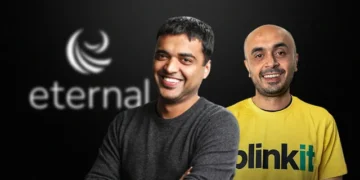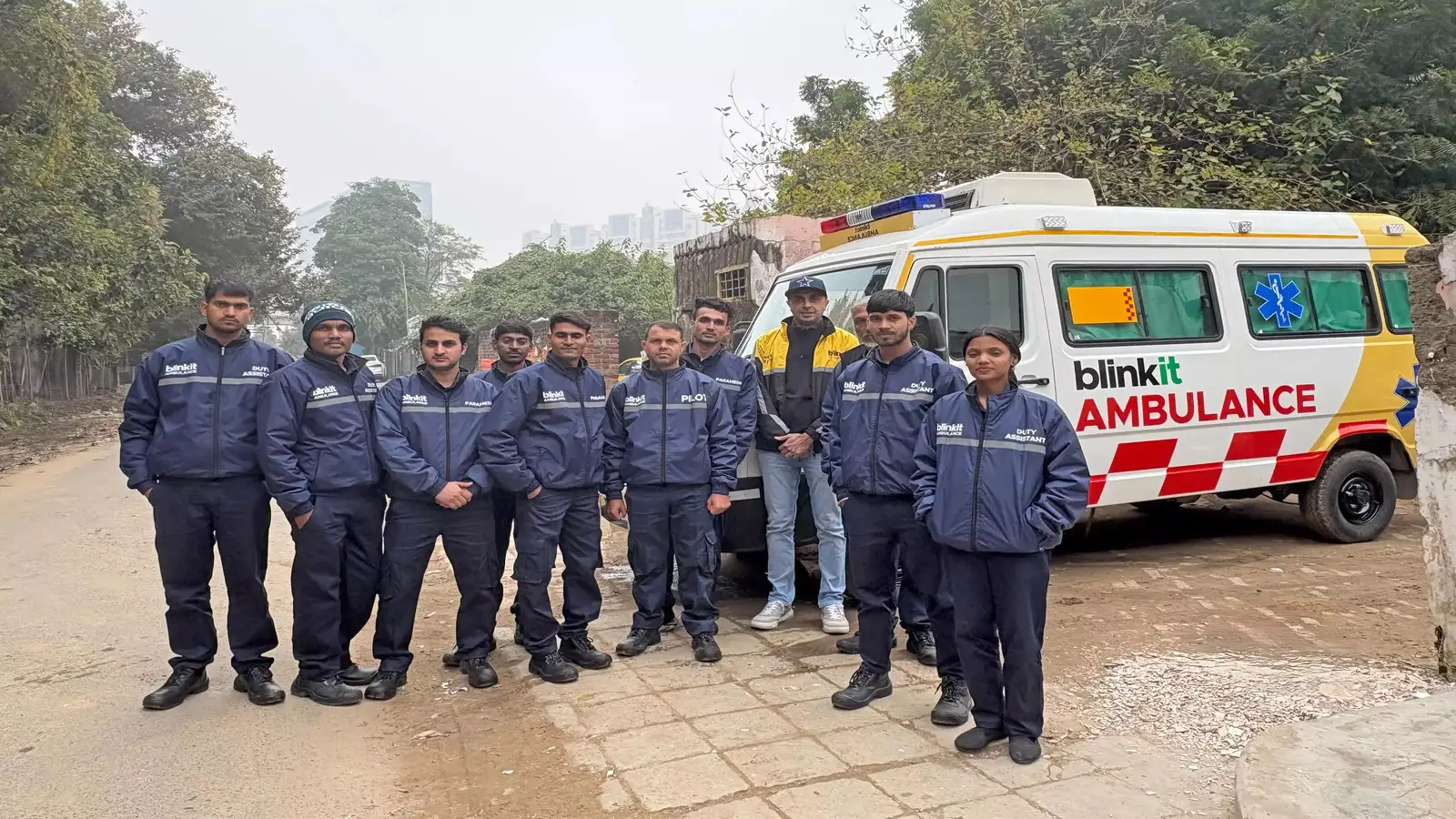
In a surprising but bold pivot from food delivery and quick commerce, Zomato is now making serious strides in emergency healthcare. Through its quick-commerce arm Blinkit, the company has launched a 10-minute ambulance service that is currently operational in Gurugram. But that’s not all — Zomato is now building an in-house paramedic training programme, signalling a deeper commitment to revolutionising India’s emergency response ecosystem.

Credits: Hindustan Times
From Fast Food to Faster Help
What began as an experiment with just five ambulances in Gurugram earlier this year has now scaled to a fleet of 12 ambulances operating across six depots, reaching nearly half the city. Zomato co-founder Deepinder Goyal shared the update on July 24, writing on X (formerly Twitter), “This is one of the hardest and most resource intensive challenges we have ever taken up. But we are not backing down.”
The numbers already tell a compelling story. Since its launch, the service has responded to 594 emergency calls, with 50% of them being critical. The company claims its ambulances are now able to reach patients within 10 minutes in 83% of the cases — a remarkable feat in India’s notoriously traffic-choked urban centers.
Building a Paramedic Army, In-House
Perhaps the most significant development in this journey is the announcement of an in-house paramedic training programme. According to Goyal, the idea is to “raise the bar of emergency care in India,” ensuring that the staff attending to emergencies are not only well-equipped but also thoroughly trained to handle life-threatening situations.
This move addresses a key gap in India’s healthcare infrastructure — the lack of well-trained paramedics. By investing in training from the ground up, Zomato is taking a long-term view and placing quality of care at the core of its operations.
Not Just Business: A Mission-Driven Move
The ambulance service, launched on January 2, 2025, is currently priced at a flat fee of ₹2,000 per call. The vehicles come fully loaded with critical life-saving tools like oxygen cylinders, AEDs (automated external defibrillators), stretchers, monitors, suction machines, and emergency medicines. Each ambulance is manned by a paramedic, an assistant, and a trained driver.
What makes this initiative even more noteworthy is the stance taken by Blinkit CEO Albinder Dhindsa, who stated: “Profit is not a goal here. We will operate this service at an affordable cost for customers and invest in really solving this critical problem for the long term.”
Dhindsa also revealed the company’s ambition to scale the service to all major Indian cities within two years, ensuring that life-saving help is never too far away — literally.
Challenges on the Horizon
While the intention is noble and execution so far has been impressive, regulatory scrutiny is already in play. Just a day after the launch, Commerce Minister Piyush Goyal reminded Blinkit to comply with all relevant medical service regulations. Operating emergency services in India involves navigating complex layers of approvals, licensing, and operational norms — a maze that many startups struggle with.
In an interview with CNBC-TV18 on January 20, Dhindsa hinted at even bigger healthcare ambitions, including solving issues around pharmaceutical delivery and timely access to medicine. However, he admitted that the company is yet to enter the online pharmacy space due to legal complexities.
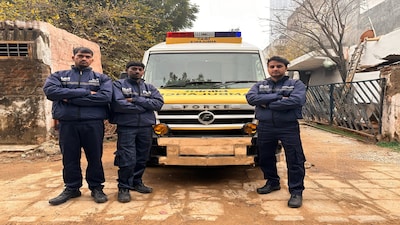
Credits: CNBC TV18
A New Frontier for Tech-Driven Care
Zomato’s venture into emergency healthcare through Blinkit is a rare case of a tech-first company choosing impact over immediacy of returns. With a laser focus on speed, training, and scalability, this initiative could become a template for future private-sector participation in India’s healthcare space.
“We’re learning. We’re committed. And we won’t stop until every single person trusts that life-saving help is only 10 minutes away,” Goyal said — a powerful mission statement that may redefine how India thinks about emergency response.