For over a decade, Apple’s annual iPhone launch has been one of the most anticipated events in the technology calendar. In September 2025, the company is expected to continue this tradition with the unveiling of its latest generation – the iPhone 17 series. This year’s lineup is set to bring both evolutionary updates and a few bold changes in design and specifications, marking another step in Apple’s ongoing attempt to meet changing consumer expectations. The date is not yet officially confirmed, but several credible leaks suggest the launch will happen on Tuesday, 9 September 2025, followed by pre-orders on 12 September and availability in stores on 19 September. The event will reportedly introduce four models – iPhone 17, iPhone 17 Pro, iPhone 17 Pro Max, and a new iPhone 17 Air, which will replace the previous Plus variant.
The upcoming iPhone 17 Pro and Pro Max are tipped to receive design changes that set them apart from their predecessors. The most noticeable difference is expected on the back of the phone. The traditional square-shaped camera island is said to be replaced by a panel that stretches across the width of the device. While the change appears aesthetic at first glance, it may also relate to upgraded camera systems. Although the improved camera performance could have been delivered without a redesign, Apple seems to be aiming for a refreshed visual identity. There are also indications that the Apple logo on the back will be repositioned to accommodate the altered rear panel design. The iPhone 17 Pro Max is rumoured to be thicker than any previous model in the Pro Max line, which could signal a larger battery capacity and longer battery life. This would be welcome news for users who push their devices to the limit throughout the day.
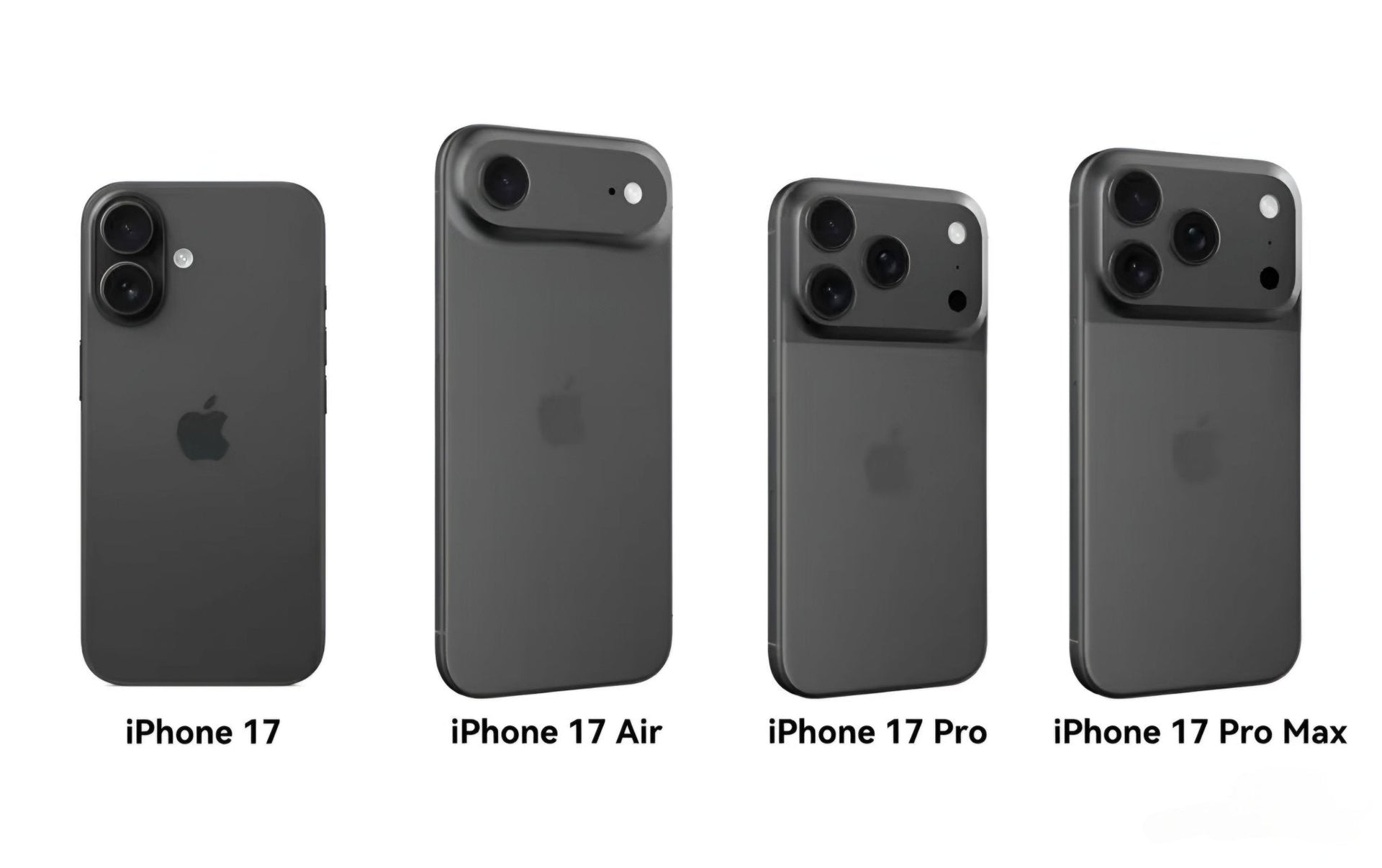
Apple’s choice of colours for the iPhone 17 Pro models could also create discussion. Reports suggest that the Pro and Pro Max will be available in four finishes: black, white, dark blue, and a bright orange or copper-like tone. If the orange version does materialise, it will stand out in a product range known for its more conservative colour palette.
The most noteworthy technical upgrade to the iPhone 17 Pro models is expected to be in their camera systems. For the first time, all three rear lenses – main, ultra-wide, and telephoto – are predicted to feature 48-megapixel sensors. In current models, only the main camera reaches that resolution. This would offer more consistent image quality across different focal lengths and allow for improved cropping and editing flexibility. While Apple rarely markets its devices purely on megapixel counts, such a change would align with growing consumer interest in professional-grade mobile photography.
Under the hood, the iPhone 17 Pro models are almost certain to feature the new A19 Pro chip, succeeding the A18 Pro in the iPhone 16 Pro series. While performance improvements are expected, Apple is likely to focus on efficiency gains. Greater efficiency could extend battery life, although Apple may instead choose to enable new high-performance features that require additional processing power. Either way, the A19 Pro is expected to keep Apple’s flagship phones at the top of the mobile processor market.
Pricing is always a point of speculation in the weeks leading up to an iPhone launch, and this year is no exception. Several reports suggest that the iPhone 17 Pro models will see a price rise of about $50 each. This would place the starting price for the iPhone 17 Pro at around $1,049 in the United States, though local taxes and import duties will determine final pricing in other markets. The global smartphone market is increasingly sensitive to price changes, but Apple has historically maintained strong demand despite incremental increases.
The biggest strategic shift in Apple’s lineup for 2025 could be the introduction of the iPhone 17 Air. This new model will replace the Plus variant and is aimed at customers who prefer a thin and light phone without compromising too much on performance. Reports suggest that the iPhone 17 Air will measure just 5.5 mm thick (excluding the camera bump), making it Apple’s thinnest smartphone to date. The device will reportedly house a single 48-megapixel rear camera, likely to reduce space requirements and weight. At around 145 grams, it could be considerably lighter than other models in the range.

The iPhone 17 Air is said to feature a 6.6-inch display and a battery capacity of about 2,800 mAh – smaller than the iPhone 16 Plus due to its reduced thickness. This will inevitably raise questions about battery life, although Apple may introduce power efficiency measures to offset the smaller capacity. The new model’s colour options are expected to include light blue, white, black, and light gold, which would differentiate it from the Pro models’ palette.
In terms of processing power, there is uncertainty about whether the iPhone 17 Air will run the A19 Pro chip or a modified version with fewer GPU cores. Some sources suggest it might still receive 12GB of RAM, matching the top-tier models, which would make it one of the most capable lightweight smartphones on the market.
This year’s event may not be limited to smartphones. Apple is also expected to introduce the Apple Watch Series 11, which would likely follow the company’s established pre-order and release schedules. The integration between the new iPhones and Apple Watch models will be an important selling point, especially in areas like health tracking, notifications, and seamless handoff of tasks between devices.
The potential changes in Apple’s annual release cycle are also worth considering. Industry analysts believe that Apple may soon split its launches, with Pro models arriving in September and more affordable models like the iPhone SE or Air launching in the spring. If this shift happens, the iPhone 17 series could be the last time all major models are announced together in one September event. This would mark a change in Apple’s marketing and manufacturing strategy, allowing the company to focus its supply chain on fewer models at a time.
Design evolution has always been a careful process for Apple. The company rarely makes drastic changes in one year but introduces subtle refinements that accumulate over generations. The new rear camera design, thinner Air model, and expanded use of high-resolution sensors represent the type of measured innovation Apple is known for. These changes are not only about aesthetics; they reflect shifts in how people use their devices. Photography and videography continue to be central to the iPhone’s identity, while battery life and weight remain key considerations for consumers.
The timing of the iPhone 17 launch appears to be in keeping with Apple’s usual pattern. The company prefers to hold its events during the second week of September, avoiding dates of historical sensitivity such as September 11. While the exact date is unconfirmed, the repeated references to September 9, 2025 from multiple sources, including German tech site iPhone Ticker, lend credibility to the leak. If the schedule holds, customers will have their first chance to pre-order on September 12, with deliveries beginning on September 19.
For consumers, the decision between the Pro, Pro Max, and Air will depend on priorities. Those seeking the highest camera performance, largest battery, and most advanced display technology will likely gravitate towards the Pro Max. The Pro model will offer much of the same performance in a smaller form factor, while the Air will appeal to those who value portability above all else. The standard iPhone 17 will remain the entry point for most customers, offering core features at a lower price.
As with previous years, Apple’s September event will attract intense media coverage and consumer attention. The blend of predictable annual updates and unexpected design choices keeps the iPhone launch relevant in a competitive market. While some may view the changes as incremental, for millions of buyers, each generation represents a chance to upgrade to a device that integrates more seamlessly into their personal and professional lives.
The iPhone 17 series, with its mix of Pro-level performance, bold design choices, and a new ultra-thin Air model, demonstrates Apple’s ongoing refinement of its smartphone strategy. Whether these updates will be enough to drive record sales in a challenging global economy will become clear in the months following release. But for now, the focus is on September – when Apple will once again take the stage to present its vision of the future of mobile technology.