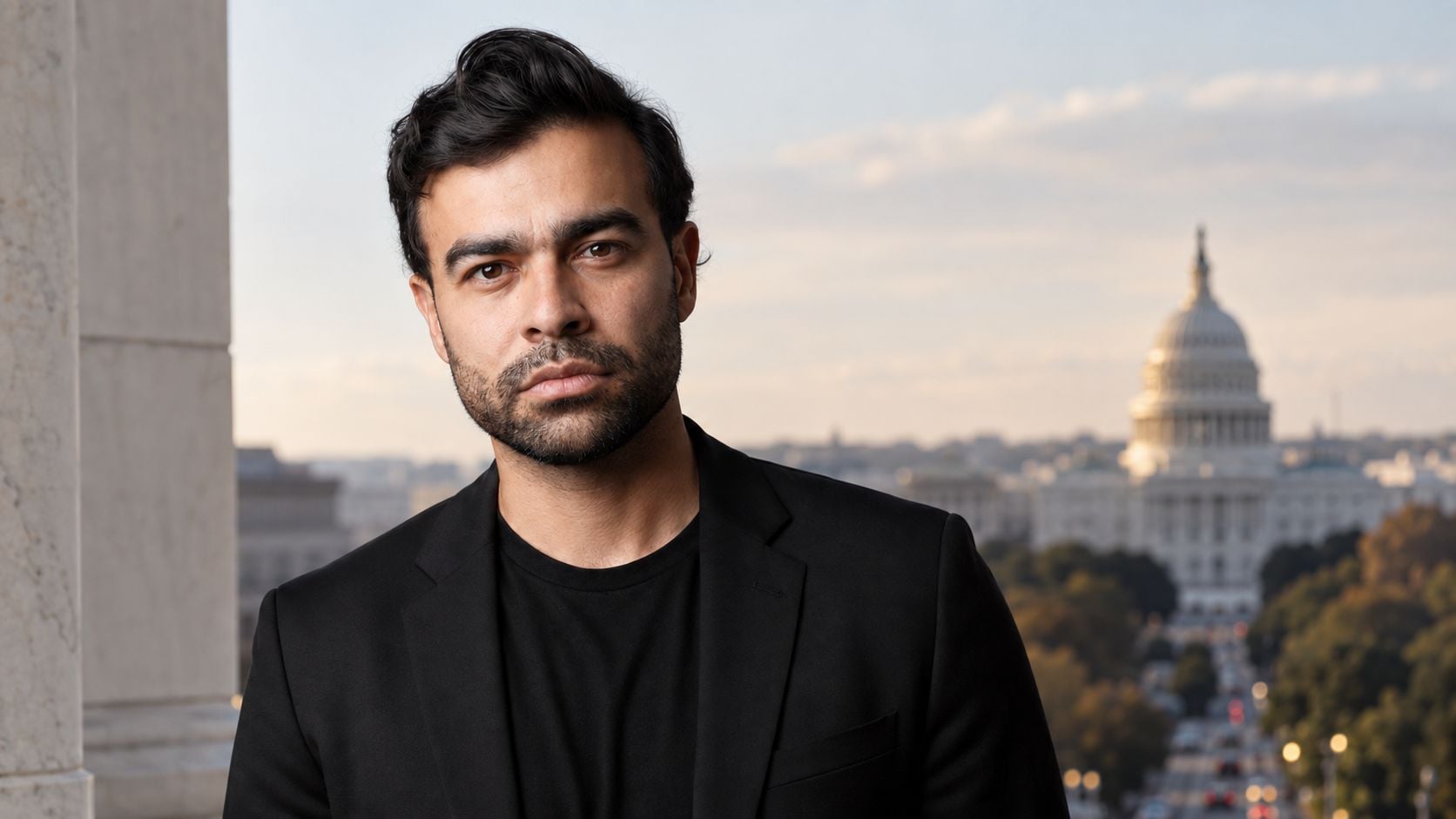
The Brazilian entrepreneur and author is set to receive two distinctions from ABRASCI in Washington, D.C., in a ceremony that will also mark the 250th anniversary of U.S. independence.
When Leo Lyra left Brasília and moved to Orlando in 2018, he was not simply changing cities or countries. He was beginning another chapter of a professional journey that had already taken him through sales, business development, marketing, digital strategy and entrepreneurship in Brazil.
Like many immigrants, Lyra arrived in the United States carrying experience, plans and the challenge of building new relationships in a different environment. Eight years later, that journey is taking him to Washington, D.C. On October 6, 2026, Lyra is set to receive two distinctions from the Academia Brasileira de Ciências, Artes, História e Literatura (Brazilian Academy of Sciences, Arts, History and Literature), known as ABRASCI, during an international ceremony in the U.S. capital. One recognizes his professional trajectory. The other connects his story in America with a much larger historical milestone.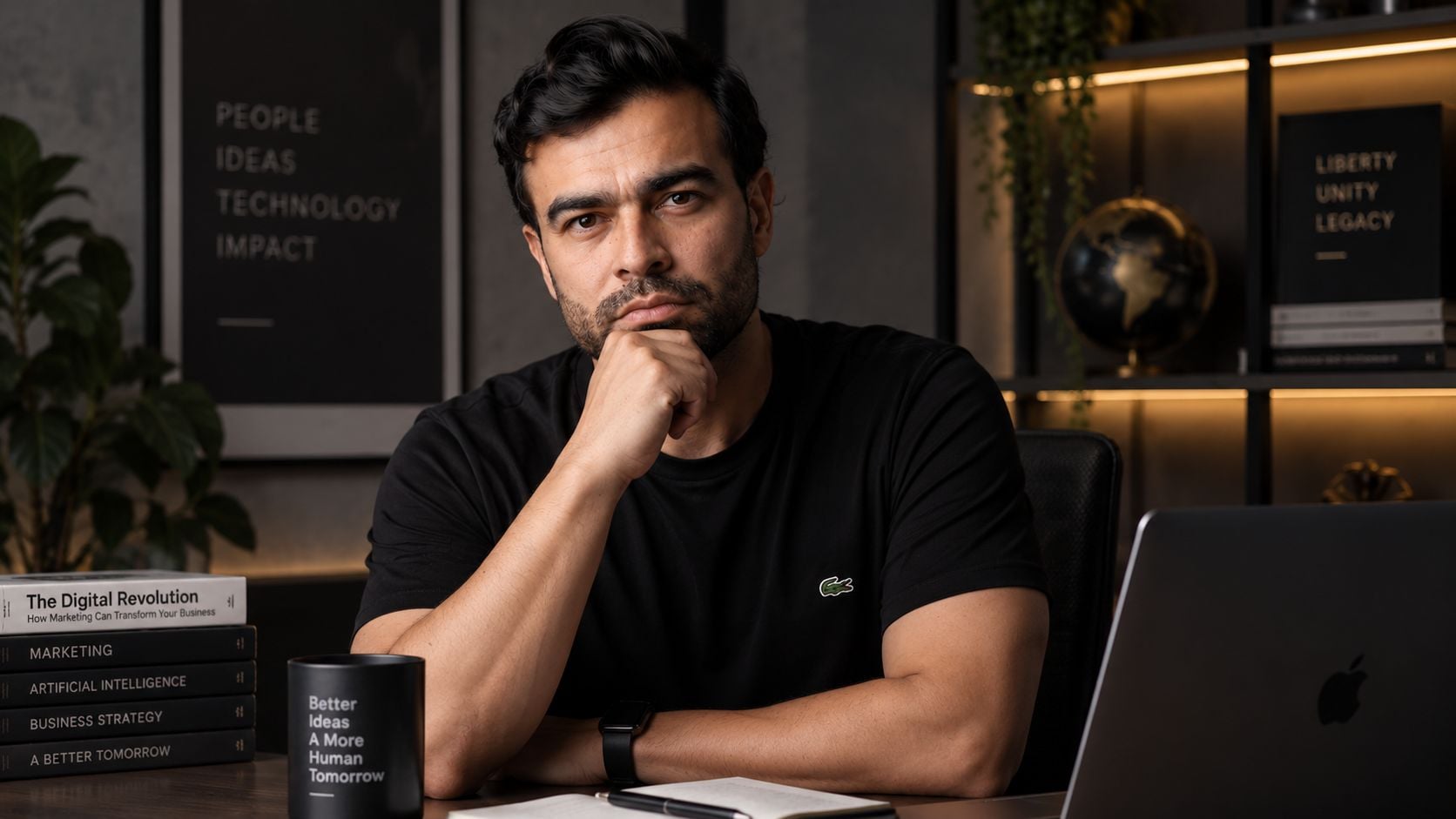
Two Recognitions in Washington
The first distinction is the Diploma and Professional Merit Commendation, granted in recognition of Lyra’s professional trajectory and contributions in his field. According to the official communication issued by ABRASCI, his name was selected by the institution’s Director and Honors and Merit Councils.
The second distinction is the “America 250 – Libertas, Unitas, Legatum” Commemorative Medal, created specifically to commemorate 250 years since the Declaration of Independence of the United States.
The ceremony, titled America 250: Freedom, Courage and the Eternal American Legacy, is scheduled to take place in Washington, D.C., on October 6. For Lyra, the combination of the two recognitions carries a particular meaning.
One looks at the professional path already traveled. The other points toward ideas that have increasingly become part of the way he thinks about business, technology and the future: freedom, unity and legacy.
A Career That Began Long Before America
Lyra’s professional journey did not begin with his move to the United States. Before settling in Florida, he spent years working in Brasília across marketing, commercial strategy, digital growth and business development.
Some of the roles that most shaped him were not necessarily the ones in which he spent the most time behind a screen. They involved conversations. Meeting people. Understanding businesses. Identifying opportunities. Connecting one person to another. Opening doors that did not exist a few minutes earlier. Over time, that ability to connect people, ideas and opportunities became an important part of the way Lyra understood his own work. Marketing remained central, but his view of it expanded.
Rather than seeing marketing only as campaigns, advertising or digital acquisition, he increasingly began to look at it as a combination of positioning, relationships, strategy and understanding human behavior.
That perspective would eventually intersect with another transformation. Artificial intelligence.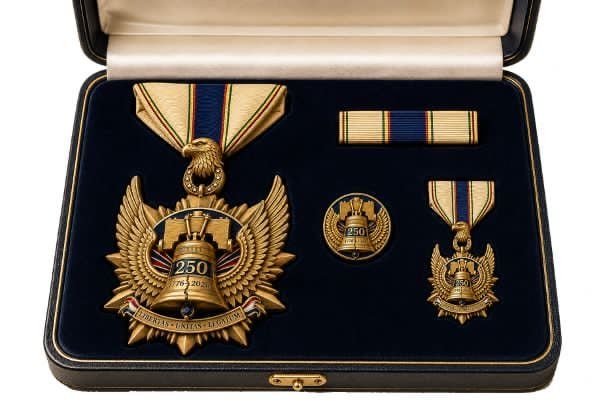
From Digital Marketing to Artificial Intelligence
Lyra has spent more than a decade working around the changes brought by digital technology. His book, The Digital Revolution: How Marketing Can Transform Your Business, reflects part of that journey and his interest in how technology changes the way companies communicate, compete and grow.
But the technological shift taking place today is different from the digital transformation that first reshaped marketing. Artificial intelligence is no longer simply another tool inside the marketing stack.
It is beginning to affect how professionals write, design, analyze information, make decisions, create products and even think. That change has increasingly shaped Lyra’s work and positioning.
Today, he works at the intersection of marketing, artificial intelligence and business strategy, exploring how companies and professionals can use AI to become more capable without losing the human judgment, creativity and relationships that make technology useful in the first place. It is a tension he often returns to.
The question is no longer simply how much artificial intelligence can do. It is how humans choose to use it.
For Lyra, technology has the potential to amplify creativity, strategy and access to knowledge. But its value ultimately depends on the people behind it. That idea has become increasingly central to the way he approaches both marketing and AI: technology should expand human capability rather than replace human responsibility.
Building Between Brazil and the United States
Moving to the United States also changed the scale of Lyra’s professional environment.
His work gradually became more connected to entrepreneurs, organizations and business communities operating between Brazil and the United States. In Orlando, that involvement has also extended into the city’s international business ecosystem, including his role as Director of Marketing for the Global Chamber of Commerce Orlando. That position reflects another theme that has followed Lyra throughout his career: connection.
Connection between businesses. Connection between people. Connection between ideas that might otherwise never meet.
And increasingly, connection between two countries that have both shaped his story. Brazil remains the country where his professional foundations were built. The United States became the place where a new phase of his career, family life and relationship with technology began to develop.
That is what makes the setting of the upcoming ceremony particularly symbolic. A Brazilian professional will be recognized by a Brazilian cultural and academic institution in the capital of the United States while receiving a medal created to commemorate one of the most important milestones in American history.
Libertas. Unitas. Legatum.
The America 250 medal carries three Latin words:
Libertas. Unitas. Legatum. Freedom. Unity. Legacy.
According to ABRASCI, the medal was designed specifically to commemorate the 250th anniversary of American independence. Its visual composition includes the eagle, representing sovereignty, vision, vigilance and courage; the Liberty Bell, representing the ideals of independence; and the inscriptions “250” and “1776–2026,” marking two and a half centuries of American history.
But the three words engraved into the concept of the medal may carry the strongest message.
Freedom as a foundation.
Unity as strength.
Legacy as responsibility toward future generations.
For someone who has spent the last several years rebuilding part of his professional life in the United States, the idea of legacy resonates beyond an award ceremony. Recognition naturally invites a person to look backward.
At the opportunities.
At the mistakes.
At the people who opened doors.
At the decisions that changed direction.
But it can also force someone to look forward. Not only at what has already been achieved, but at what still needs to be built.
Recognition as a Checkpoint, Not a Finish Line
Professional recognition can easily become a story about titles, medals or achievements. Lyra sees the moment differently. The significance lies less in the object being received and more in what it represents: years of work, relationships, experimentation, reinvention and the willingness to begin again in a new country. The two honors also arrive at a moment when his professional interests are becoming increasingly focused on the future. Artificial intelligence is changing industries at extraordinary speed. Marketing is being rewritten. Traditional career paths are becoming less predictable.
And professionals everywhere are being forced to reconsider what remains uniquely human in an increasingly automated world. For Lyra, those questions connect directly with the idea behind the medal he is about to receive. Freedom creates possibilities. Unity allows people to build things that would be difficult to build alone. And legacy asks a harder question:
What will remain after the work is done?
On October 6, Leo Lyra will travel to Washington to receive two recognitions connected to what he has already built. But the larger story may be about what comes next. A Brazilian who arrived in the United States carrying experience and the desire to build another chapter is now finding himself at the intersection of two countries, two professional eras and one rapidly changing technological future.
The recognition may celebrate the journey so far.
The responsibility is deciding what to do with the road ahead.
Libertas. Unitas. Legatum.
Freedom. Unity. Legacy.