A leaked organizational chart has revealed the makeup of Meta’s elite AI research division, showing just how serious Mark Zuckerberg is about winning the artificial intelligence race. The 44-person team represents one of the most ambitious talent grabs in Silicon Valley history, with the company reportedly offering compensation packages worth tens of millions of dollars to lure the brightest minds in AI.
The team, handpicked by Zuckerberg himself, includes researchers poached from OpenAI, Google DeepMind, Apple, and other top AI labs as part of Meta’s bold push toward artificial general intelligence (AGI). What makes this recruitment drive particularly striking is the global nature of the talent acquisition and the eye-watering sums Meta is willing to pay.
Team of AI Superstars at Meta Superintelligence Labs
The demographics of Meta’s Superintelligence Labs reveal fascinating insights about today’s AI talent landscape. Half of the team members are of Chinese origin, demonstrating the significant role of Chinese researchers in cutting-edge AI development. Meanwhile, 75% hold PhDs and 70% are career researchers, underlining the academic heavyweight nature of the group.
The company’s aggressive poaching strategy becomes clear when you look at where these researchers came from. A whopping 40% previously worked at OpenAI, with another 20% coming from Google DeepMind and 15% from Scale AI. It’s essentially a who’s who of AI talent, assembled under one roof with the singular goal of achieving superintelligence.
Each team member is reportedly earning between $10 million $100 million annually, making this possibly the most expensive research team ever assembled in corporate history. These aren’t just competitive salaries they’re game-changing offers designed to make refusal nearly impossible.

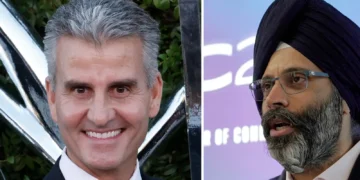
Despite the international makeup of the team, only two researchers of Indian origin made the cut: Trapit Bansal and Hammad Syed. This relatively small representation has sparked conversations about diversity in AI leadership roles, especially considering India’s growing influence in global technology.
Trapit Bansal brings an impressive pedigree to the team. An IIT Kanpur alumnus with a PhD in computer science from the University of Massachusetts, Amherst, he’s worked at virtually every major AI lab OpenAI, Microsoft Research, Google Research, and previously at Meta in 2018. His expertise spans natural language processing, deep learning, and meta-learning, making him a valuable addition to the superintelligence quest.
Is Meta Betting Big on AI with its New Superintelligence Labs?
Hammad Syed’s path to Meta was different but equally impressive. The Sir M Visvesvaraya Institute of Technology graduate co-founded PlayAI in 2021, developing cutting-edge text-to-speech technology supporting over 30 languages. Meta acquired the entire PlayAI team, bringing Syed and his voice AI innovations directly into the superintelligence project.
The new Superintelligence Labs is led by Alexandr Wang, former CEO of Scale AI, and Nat Friedman, ex-GitHub CEO. This leadership choice signals Meta’s serious intent – both leaders bring experience scaling AI companies and understand the complexities of building advanced AI systems.
The creation of Meta Superintelligence Labs represents more than just a new research division. It’s Zuckerberg’s response to being outmaneuvered in the AI race by OpenAI and Google. After facing criticism for Meta’s slower progress in large language models and experiencing significant staff turnover, this initiative represents a reset button on the company’s AI ambitions.
Meta’s superintelligence initiative is just one part of a wider industry trend as tech leaders invest billions to create AGI. The company’s willingness to offer record pay and to poach engineers from rivals just shows how high-stakes the game is in AI.
The international, multicultural composition of the team also reflects the manner in which the development of AI has become a global effort, with talent being drawn from borders to the corporations that provide the best opportunities and incentives.
While only time will tell whether Meta’s massive investment pays off, one thing is certain: the race to achieve artificial general intelligence just got a lot more interesting with this 44-person dream team now in the game.