Ola Electric, once hailed as the undisputed leader in India’s booming electric two-wheeler market, is now under intense regulatory pressure in Maharashtra — the country’s largest EV market. The state government’s decision to close nearly 90% of the company’s showrooms has not only disrupted its operations but also cast a shadow over its ambitions of reclaiming lost market share.
In this article, we will delve into what caused Ola Electric’s plight and the way forward for the once successful ccompany.
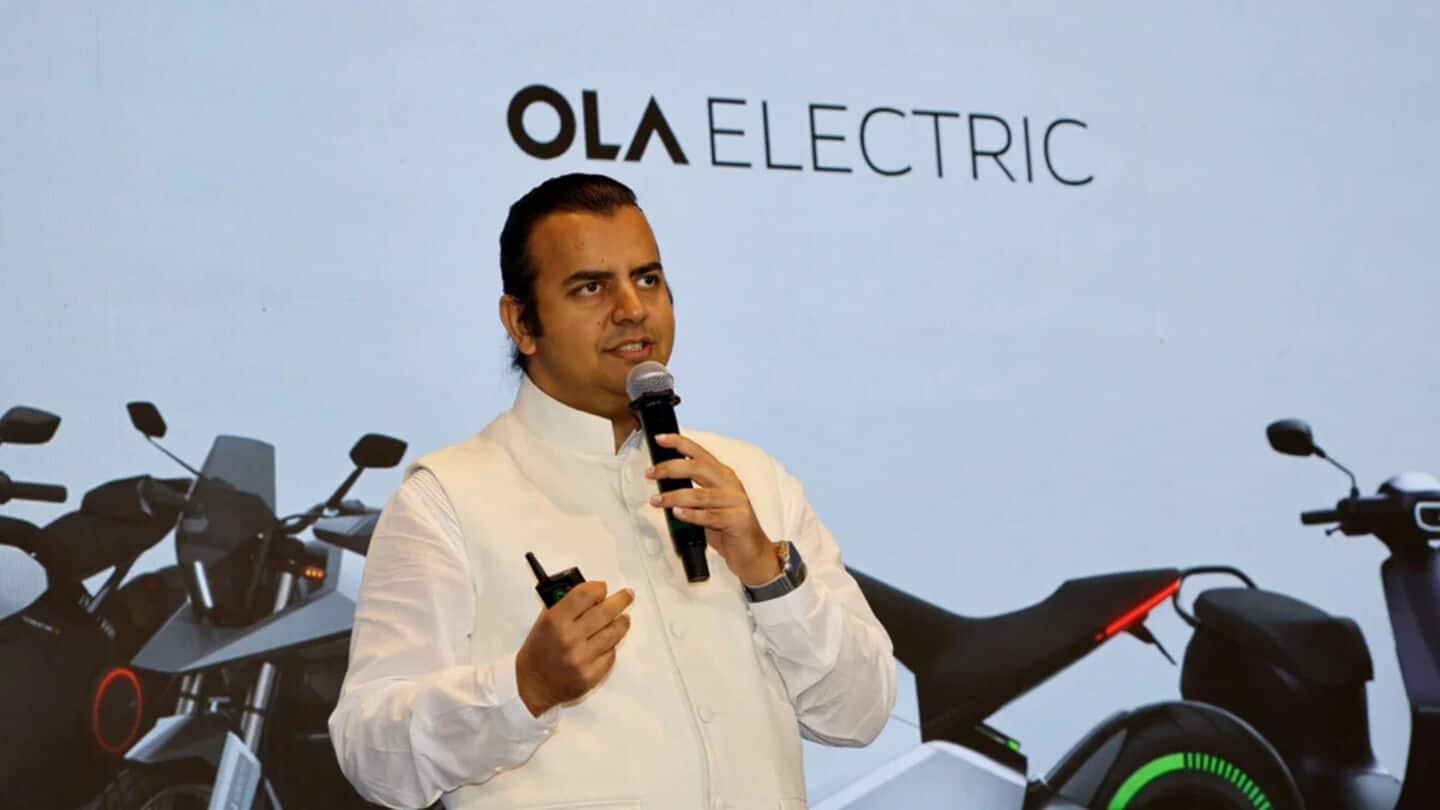
Credits: Newsbytes
Regulatory Storm: 388 Showrooms Shut Down
In a sweeping move, the Maharashtra transport department has shuttered 388 out of 432 Ola Electric showrooms inspected across the state. The reason? A glaring lack of trade certificates—a legal prerequisite for any dealership to stock and sell unregistered vehicles. Only 44 showrooms were found compliant.
According to a government letter accessed by Mint, Ola Electric failed to secure the mandatory permits for vehicle storage and sales facilitation. This has led to widespread regulatory action, with many more showrooms either shut down or under investigation. The crackdown comes just months after the state ordered the closure of 121 stores and issued show-cause notices to 270 more.
Ola’s Response: Dismissive Yet Vague
In response, Ola Electric has called the allegations “speculative, incorrect, and misplaced,” asserting that it is working with authorities to resolve the issue. However, the company has not clarified what specific concerns are being addressed, raising eyebrows among analysts and customers alike.
Given Ola’s reliance on its direct-to-consumer (D2C) model, where customers buy directly through the app, the lack of regulatory compliance in offline operations poses a critical threat to its retail strategy.
Once a Leader, Now Playing Catch-Up
Ola Electric’s troubles in Maharashtra couldn’t have come at a worse time. Once the leader in India’s EV scooter space, the company has slipped to third place, overtaken by TVS Motor Company and Bajaj Auto. In the previous fiscal year, Ola sold over 344,000 scooters, with Maharashtra accounting for a significant 12% of total sales.
Maharashtra’s contribution is key — with 212,000 electric two-wheeler sales in FY24, it remains India’s most lucrative market for EVs. Losing ground here could severely dent Ola’s national sales momentum and investor confidence.
Registration Discrepancies Raise Red Flags
What triggered the regulatory action was a significant gap between Ola’s sales and registrations. Out of approximately 25,000 scooters sold, only 8,500 were officially registered, raising concerns over sales reporting and compliance. While such mismatches can occur due to delays or backlogs, the scale of the discrepancy prompted deeper scrutiny.
For a company that prides itself on tech-enabled transparency, these issues suggest cracks in execution and oversight—two areas competitors like TVS and Ather Energy have managed to streamline more effectively.
A Widening Gap in Market Share
The data tells a stark story. In Q1 FY25, Ola Electric’s market share dropped to 19.6%, a steep fall from 33.4% the previous year. Meanwhile, rivals have surged ahead: TVS commands 25%, Bajaj 21.5%, and Ather Energy 13.7%.
While Ola sold 20,120 scooters in June, per VAHAN data (excluding Telangana), the broader trend shows a company fighting to stay relevant. Its ambitious expansion — now at 4,436 stores nationwide, including 3,365 company-owned outlets — is at risk of faltering if regulatory hurdles aren’t swiftly addressed.

Credits: ACKO Drive
Can Ola Bounce Back?
Despite mounting challenges, not all is lost. A broader market recovery, rising EV adoption, and Ola’s efforts to trim losses may yet revive its fortunes. But to do so, the company must fix its compliance framework, rebuild trust with regulators, and improve after-sales service — a longstanding customer complaint.
The Maharashtra debacle is a wake-up call. For Ola Electric to reclaim its former glory, the road ahead requires not just speed, but precision, responsibility, and an unwavering focus on execution.