In this article, we will look into six major developments from Jane Street’s regulatory troubles in India and Deepinder Goyal’s bold aviation venture to Swiggy’s shifting investment strategy, Starlink’s long-awaited India debut, a tragic loss in the Barbie creator community, and Meta’s renewed push into the smartwatch market.
1. Jane Street Under Fire in India
Jane Street, a global quantitative trading firm, is under intense scrutiny from India’s Income Tax Department. Officials allege the firm is not cooperating with the ongoing investigation, particularly by refusing access to servers and maintaining books outside the country violating Indian company law. This investigation follows SEBI’s earlier action temporarily barring Jane Street from trading. Regulators are increasingly assertive, and this case may set a precedent for how India treats global financial players. As India demands transparency and local compliance, Jane Street’s resistance could jeopardize its long-term presence in the country’s fast-maturing capital markets.

2. Deepinder Goyal’s LAT Aerospace Takes Off
Zomato founder Deepinder Goyal is now venturing into aviation with LAT Aerospace, co-founded alongside former Zomato COO Surobhi Das. The company’s mission is bold: make regional air travel as accessible and affordable as bus travel. LAT will deploy 24-seater STOL (Short Take-Off and Landing) aircraft capable of operating from ultra-small airstrips, even parking lots. This innovation could dramatically improve connectivity between India’s small towns and metros. Goyal’s foray signals a shift from foodtech to frontier mobility, as he aims to revolutionize not just dining habits, but the very infrastructure of domestic travel in India.

3. Swiggy Reconsiders Stake in Rapido
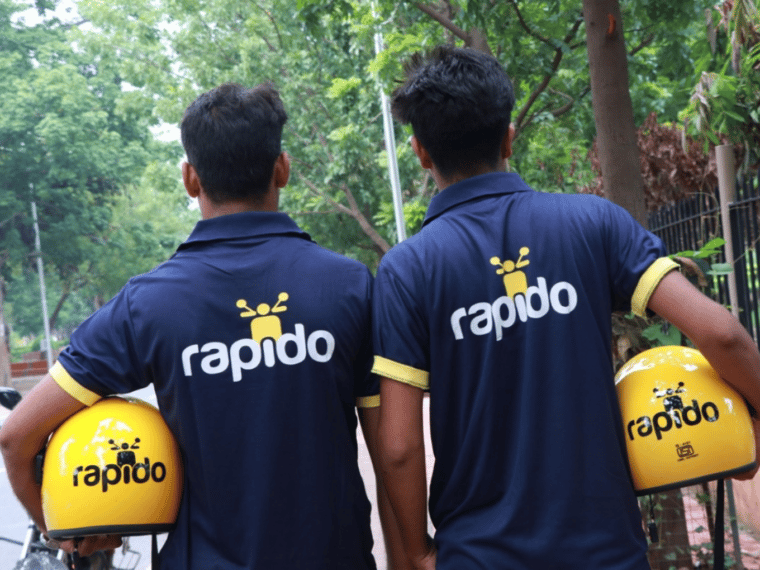
Swiggy is reevaluating its investment in bike-taxi startup Rapido, following Rapido’s entry into the food delivery space, Swiggy’s core market. This shift has sparked strategic friction, prompting Swiggy to refocus on its own core segments amid rising competition in foodtech and quick commerce. While Rapido’s diversification signals ambition, it also creates conflicts of interest with investors like Swiggy. The move suggests that Swiggy is tightening its portfolio, prioritizing growth and profitability over loosely-aligned investments. This development underscores the competitive pressures reshaping India’s fast-evolving delivery ecosystem, where alliances can quickly become rivalries.
4. Starlink Cleared for India Launch
Elon Musk’s Starlink is finally set to launch in India, with regulatory approval to provide 20 lakh satellite internet connections. Offering speeds of up to 200 Mbps at ₹3,000 per month, Starlink will cater to underserved rural areas. It has secured crucial licenses: GMPCS, VSAT, and ISP Category-A, and will operate as a nationwide internet provider. The move follows a green light from IN-SPACe and partnerships with telecom giants Airtel and Jio for last-mile distribution. Despite the steep price, Starlink’s arrival could transform rural connectivity, marking a major step in India’s satellite internet revolution.

5. Barbie Artists Magia2000 Killed in Crash
Tragedy struck the global fashion doll community as Mario Paglino and Gianni Grossi, the creators behind Magia2000 custom Barbies, died in a car crash in Italy. Accompanied by banker Amodio Valerio Giurni, the duo’s death has sent shockwaves through collectors and fans worldwide. Known for transforming Barbies into breathtaking couture art, Magia2000’s work elevated doll design to new heights. The pair were also deeply engaged with Mattel and international collectors. Their sudden passing is not just a personal loss to many—it also leaves a significant void in the artistic and collector community they helped inspire.

6. Meta Revives Smartwatch Project
Meta is reportedly rebooting its long-paused smartwatch project, originally codenamed “Milan.” Initially shelved in 2022 due to technical issues, particularly a camera that interfered with neural interface work—the project is now back with upgrades. The new watch may integrate tighter connections with Meta’s social and virtual reality platforms, possibly linked to its AI and metaverse ambitions. Meta’s renewed interest in wearables comes as Apple, Samsung, and Google dominate the space. A successful launch could position Meta as a serious player in tech-integrated wearables, reviving hopes for a device that bridges fitness tracking, communication, and immersive tech.