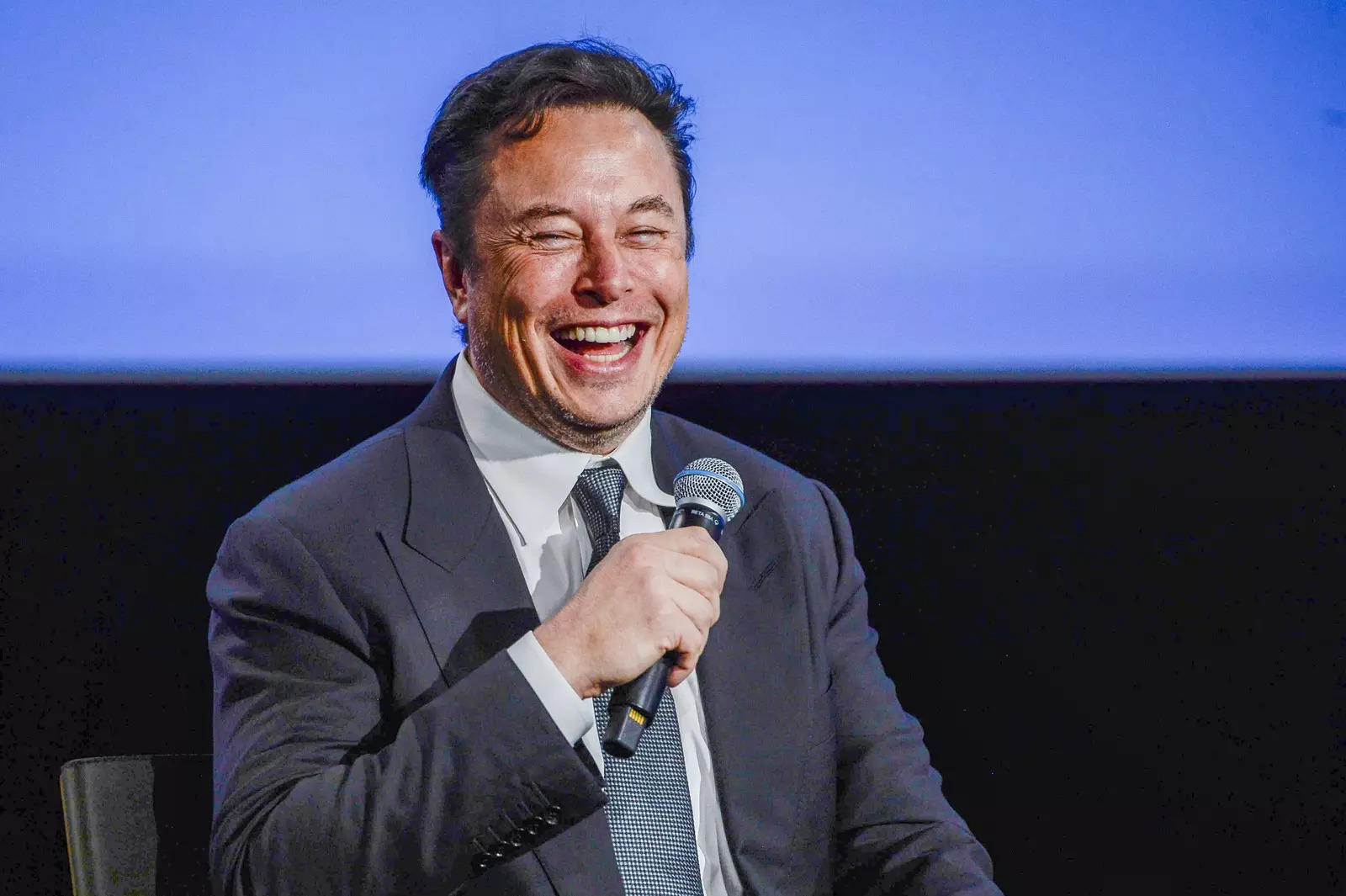
Elon Musk, the world’s richest person and Tesla CEO, who abandoned the $44 billion bid to acquire Twitter in July, does not appear to be resting until he shows that the microblogging service has more than 5% bot or spam accounts.
Billionaire Elon Musk rejected a $44 billion bid for Twitter, claiming that the firm deceived him and authorities about the exact amount of spam or bot accounts on the microblogging platform. However, the firm has stated that less than 5% of the accounts on its platform are fraudulent or bots.
Engaged in a legal battle with Twitter over the termination of the deal, Musk has sent an additional letter of deal termination to Twitter Inc after he subpoenaed a whistleblower seeking documents on how the social media company measures spam accounts.
According to a court filing on Monday, Musk has sought information from whistleblower and former head of Twitter’s security Peiter Zatko mostly about the way the microblogging site measures spam account.
Zatko, a well-known hacker known as “Mudge,” stated in his lawsuit, which was made public last week, that the corporation fraudulently claimed it had a robust security plan and prioritised user expansion over spam reduction. He said that CEOs are incentivized to increase user counts rather than delete spam bots (with compensation of up to $10 million).
Zatko, who highlighted the issues with the US Securities and Exchange Commission while also citing additional security flaws at Twitter, red flagged severe security vulnerabilities with the microblogging service while also claiming that its bot activity numbers are inaccurate.