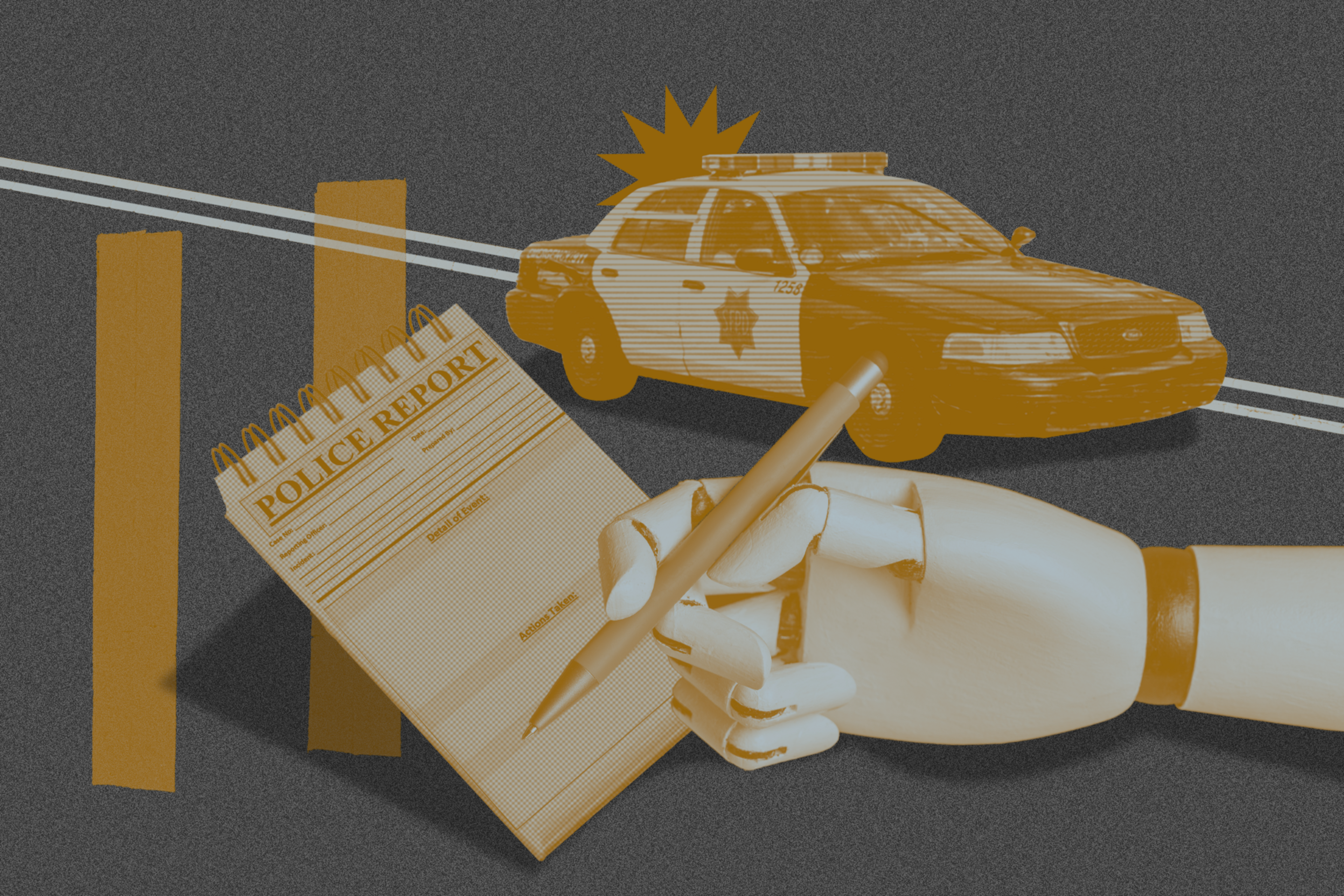
Police agencies throughout California are increasingly relying on artificial intelligence to assist in drafting incident reports, but a newly proposed bill working its way through the state legislature seeks to make sure the public is aware when AI is used.
The bill, which already passed the Senate and is now awaiting an Assembly vote, would mandate that police officers clearly indicate whenever they employ generative AI technology to prepare reports. This makes California one of the first states to address directly the use of AI technology by law enforcement in their documentation.
The Role of AI in Police Reports
Police reports are an important part of the criminal justice system because they form the basis for many judicial rulings. Kate Chatfield, executive director of the California Public Defenders Association, which supported the bill, describes how important these reports are.
“From the get, this police report is used to determine whether a criminal case will be started,” Chatfield said. “Then a judge would be reviewing this police report, for example, to determine the circumstances of the offense and to determine whether or not to hold somebody in jail.”
The concern isn’t necessarily that AI is being used, but rather that no one knows the extent of its use or potential impact. “We don’t know what we don’t know,” Chatfield noted, adding that she’s unaware of any confirmed cases where AI-generated reports have led to miscarriages of justice.
Companies like Axon already offer specialized report-writing tools that can process and summarize audio from body-worn cameras. These professional tools typically include safeguards requiring officers to review and approve AI-generated content before submitting reports.
However, there’s concern that officers might also be using commercial AI products like ChatGPT, which lack the same built-in protections and oversight mechanisms designed for law enforcement use.
Transparency and Accountability in AI-Generated Police Reports
State Senator Jesse Arreguín introduced the legislation to cover all forms of generative AI use in police report writing. Under the proposed law, any AI-generated report would need to include a disclosure at the bottom of each page. Additionally, departments would have to preserve the original AI draft and maintain an “audit trail” showing the body camera footage or audio used to create the report.
The goal is accountability, not restriction. As Chatfield puts it: “All we’re saying is you have to be transparent about it. That’s it.”
The Assembly Committee on Privacy and Consumer Protection raised important questions about third-party tech companies potentially accessing sensitive police materials. Their analysis warned of a “race to the bottom, where sensitive body-worn camera data could be repurposed to train other technologies, including facial recognition systems or other surveillance tools.”
To address these concerns, lawmakers added language ensuring AI vendors cannot sell or misuse personal information from body camera footage or reports.
Not everyone supports the transparency requirements. The California Police Chiefs Association and the Police Officers Research Association of California have opposed the bill, arguing it could create unnecessary administrative burdens and legal vulnerabilities.
PORAC’s statement to the legislature expressed concern that mandatory disclosures might “imply to the public, courts, or defense attorneys that such reports are inherently less reliable or credible.” They also worry that defense attorneys could use AI disclosure as grounds to question report accuracy, regardless of officer oversight.
California Bill Aims to Balance AI in Policing with Transparency
The organization argues that while AI tools promise to free up officers’ time for street work, disclosure requirements would actually increase administrative tasks.
The bill is now pending in the Assembly Appropriations Committee. If passed there, it will be voted on in full by the end of the month.
Supporters highlight that this is not about restricting AI use in policing, but more about transparency with regard to how reports that can decide a person’s liberty are produced. The officers will still be accountable for their reports and will need to be ready to defend them during cross-examination, irrespective of what software or software they utilize for producing them.
The measure is California’s move to equilibrate technological progress with responsibility in policing, so that while AI becomes a standard feature of police work, the public continues to have a view into how it’s implemented.